






UPI and betting sites in India: how payments work and what the law says
UPI made depositing on a betting site a two-second habit, which is why punters still search for the sites that accept it. In 2026 the honest answer runs through a new law that bars those payments outright.
Jul 11, 2026
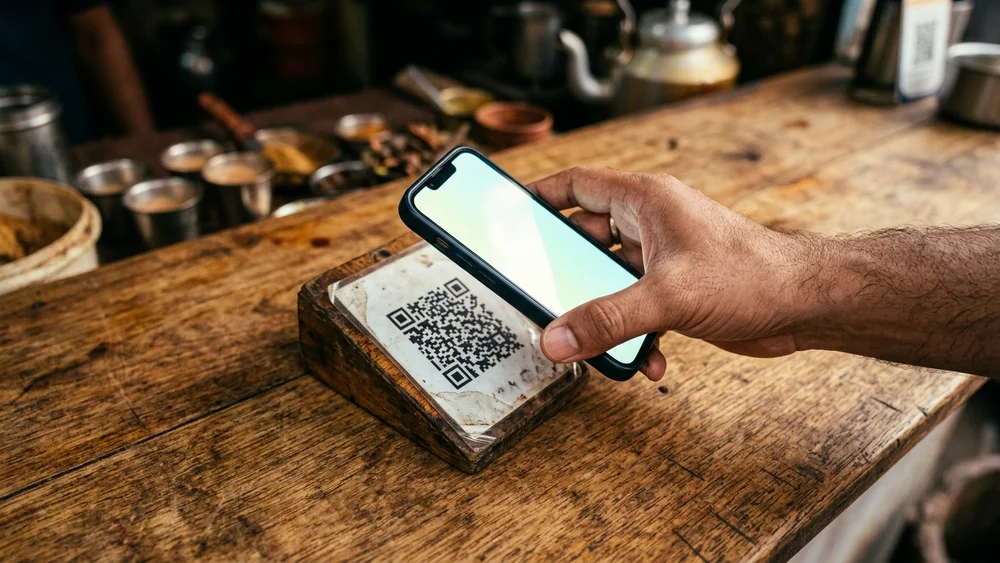
Ask any group of Indian sports fans how they used to fund a betting account and one answer comes up before the rest: UPI. It is instant, it lives on the phone everyone already carries, and for years it was the path of least resistance to a betting balance. That is why “UPI betting sites” is still one of the most searched phrases in this corner of the internet. The honest answer, though, has moved. Since the Promotion and Regulation of Online Gaming Act came into force, banks and payment networks in India are barred from processing money that flows to online betting, and UPI sits right in the middle of that block.
This guide sets out what UPI actually is, why betting operators leaned on it so hard, and where the law stands now that real-money gaming has been outlawed. None of it is a push to go and deposit. It is the payment picture as it exists in India in 2026, so that when you see a “pay by UPI” banner on a betting page you understand what is really happening behind it.
What is UPI, and why did betting sites lean on it?
UPI, short for Unified Payments Interface, is the real-time payment system the National Payments Corporation of India built and launched in 2016. Rather than typing out an account number and IFSC code, you send money to a Virtual Payment Address, a short handle that reads like name@bank. A payment clears in seconds, works around the clock, and is approved with a PIN you set yourself, so your bank details never reach the person on the other end. Under the surface it runs on the older IMPS rails, which is what makes settlement close to instant.
For most people the standard ceiling is one lakh rupees a day, with a few higher-value categories such as capital markets and healthcare allowed more, and individual banks free to set lower caps of their own. Put that convenience together and it is obvious why betting platforms pushed UPI so aggressively. There were no card details to enter, no long bank forms, and money landed on the account before the next over. For a long stretch it was the default deposit button on almost every site chasing Indian traffic.
Can you use UPI on betting sites in India?
The short answer in 2026 is that you are not meant to, and increasingly you cannot. The Promotion and Regulation of Online Gaming Act, 2025 bans online real-money games outright, and it specifically stops any bank or financial intermediary from handling payments tied to them. UPI is a payment intermediary. A site can still show a UPI logo, but the transaction now runs into blocked merchant categories, declined bank transfers and cautious payment gateways. Whether a given deposit clears has become a gamble in itself rather than a certainty.
What the Online Gaming Act 2025 changed
The Act moved through Parliament fast. It passed the Lok Sabha on 20 August 2025 and the Rajya Sabha the following day, and received presidential assent on 22 August 2025. The detailed rules came later, notified on 22 April 2026, with the core provisions taking effect from 1 May 2026. The headline is blunt: online money games are banned, and the law draws no line between games of skill and games of chance. The old skill-versus-chance argument that let some operators claim their product was legal simply no longer holds.
The payments clause is the part that matters here. The Act bars any bank, financial institution or other party from engaging in, permitting or facilitating a transaction or authorisation of funds towards an online money gaming service. Advertising and promoting those services is prohibited as well. The penalties are heavy, reaching up to three years in prison and a fine of as much as one crore rupees for offering or facilitating a banned game. Affected companies have challenged the provisions in several high courts, and the Supreme Court has since consolidated those cases to hear them itself, so some of the fine detail may still shift. The ban itself is in force.
Is UPI itself banned?
No, and this is the point people most often get wrong. UPI is not illegal and has not been restricted for ordinary use. It clears billions of grocery bills, rent transfers and utility payments every month exactly as before. What the law targets is a specific destination, an online money gaming service, not the payment rail that reaches it. Reading a betting site’s payments page with that distinction in mind is far more useful than any list of which logos the site claims to accept.
Why UPI deposits to betting sites are being declined
Enforcement has been uneven but real. Since the rules took effect, Indian banks have started rejecting UPI payments headed to offshore betting platforms, and the pattern is patchy enough to frustrate anyone attempting it. Public sector banks have been the strictest, while some private banks were slower to clamp down, so a deposit that fails at one bank can still clear at another, at least for now. Offshore operators have leaned on mirror domains and workarounds to keep the money moving, which is exactly why the compliance net keeps tightening.
The government has also moved against the sites themselves. Blocking orders have pushed the count of banned betting and gambling websites past 8,300, with new batches added through 2026. Payment intermediaries sit under pressure from foreign-exchange and anti-money-laundering rules on top of the gaming Act, which is why gateways and NPCI member banks have grown wary of anything resembling a gambling merchant. The smooth one-tap deposit that betting sites once advertised is, in practice, no longer smooth.
How UPI deposits and withdrawals were meant to work
For context, the mechanics operators still describe look simple on paper. A deposit means opening the cashier, choosing UPI, then either scanning a QR code or approving a collect request in your UPI app, after which the balance updates almost at once. A withdrawal reverses the flow, with any winnings sent back to the linked bank account along the same rail, subject to the platform’s verification checks. That frictionless loop was the whole selling point.
What has changed is not the technology but the legality of aiming it at a betting balance. The rail behaves exactly as it always did for a shop payment or a phone bill. It is the destination that the law now blocks. Understanding that is worth more than memorising which sites say they take UPI, because saying so and actually processing a payment are now two very different things.
What this means for you
If you are in India, the practical takeaway is clear. Online real-money betting is now illegal, the payments that feed it are barred, and both the operator and the intermediary carry real legal exposure rather than a vague risk. Betting is strictly an adults-only pursuit in the places where it is legal, and the responsible-gambling basics that apply everywhere, setting limits, never chasing losses, and treating it as entertainment rather than income, count for even more once the legal ground has shifted. For a fuller look at where the law now sits, our explainer on whether cricket betting is legal in India works through the same Act from the bettor’s side rather than the payment’s.