








India’s top domestic umpires make 40,000 rupees a day, and the BCCI says that changes this season
Devajit Saikia confirmed on Thursday that the BCCI will pay domestic umpires and match referees more from 2026-27 and split the umpire panel into four grades. The new figures have not been published.
Sep 17, 2026
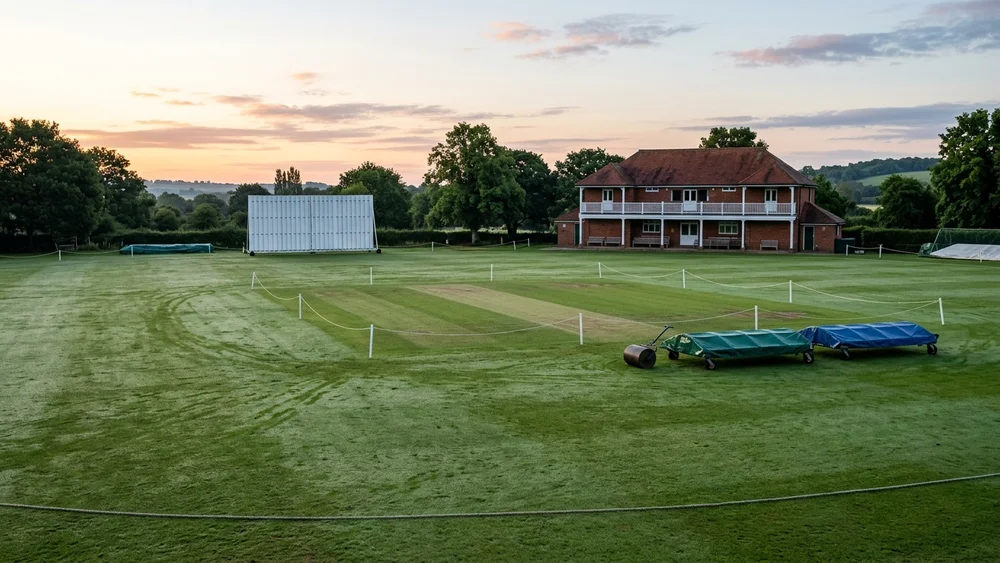
A day before the BCCI’s annual general meeting in Mumbai, secretary Devajit Saikia confirmed the board has decided to revise what it pays domestic umpires and match referees from the 2026-27 season. He also confirmed the panel of domestic umpires is being restructured. What he did not say is how much anyone will actually be paid.
That second part will come later. The decision itself is the news, because the current numbers have been a sore point in Indian domestic cricket for a while.
What an umpire earns now
The top 20 umpires on the BCCI’s domestic list are paid Rs 40,000 a day. Everyone else on the panel gets Rs 30,000. A T20 game pays Rs 20,000 for the day. On top of that there is a daily allowance of Rs 1,500 when the match takes an umpire out of town, and between Rs 500 and Rs 1,000 when it does not.
Set that against what the players in the same match earn. A Ranji Trophy cricketer with more than 40 first-class appearances is on Rs 60,000 a day, one with 21 to 40 games gets Rs 50,000, and a player with fewer than 20 takes Rs 40,000. A reserve who does not get on the field is paid half the playing rate. So the best-paid umpire in the country earns the same day rate as the least experienced man in the middle, and 20,000 rupees a day less than the senior pros he is ruling on.
Four grades instead of two tiers
The restructure replaces the current arrangement with four graded groups. Grades A and B will cover the senior competitions, the Ranji Trophy among them. Grades C and D will handle junior-level cricket.
The practical effect is that the grade an umpire sits in decides which cricket he sees. Until now the split between the top 20 and everyone else did the same job less formally, and the jump from one to the other was not always easy to read from outside. A four-grade ladder at least gives an umpire in his thirties a visible route from age-group cricket to a Ranji quarter-final, and gives the board a cleaner way to move people down it too.
When it starts
The new structure takes effect once the Duleep Trophy is out of the way, which puts the Ranji Trophy opening round on 11 October as the first real test of it. Saikia said the board had formally resolved to change both the compensation model and the panel setup, which usually means the money has been agreed internally and only the announcement is waiting.
The AGM it arrives before
The BCCI holds its annual general meeting at its Mumbai headquarters on Friday at 11:30am. The agenda runs to the usual mix: the audited accounts for 2025-26 and the budget for 2026-27, appointments to the ombudsman and ethics officer roles, the standing and cricket committees, the umpires committee, and a proposal to give the Cricket Association of Andaman and Nicobar Islands associate membership.
Two General Body representatives will also be elected to the IPL Governing Council, along with a representative of the Indian Cricketers’ Association.
Umpiring pay is not the item that will lead the coverage out of that room. It is, though, the one that changes something for the officials who work the cricket nobody televises, and who have been doing it for less than the players they share the ground with.