






IPL owners reshape The Hundred as three teams take new names for 2026
IPL money has taken over three of The Hundred’s eight teams, with Oval Invincibles now MI London and the Northern Superchargers rebranded as Sunrisers Leeds. Here is how Indian ownership reshaped the competition before its 21 July return.
Jul 15, 2026
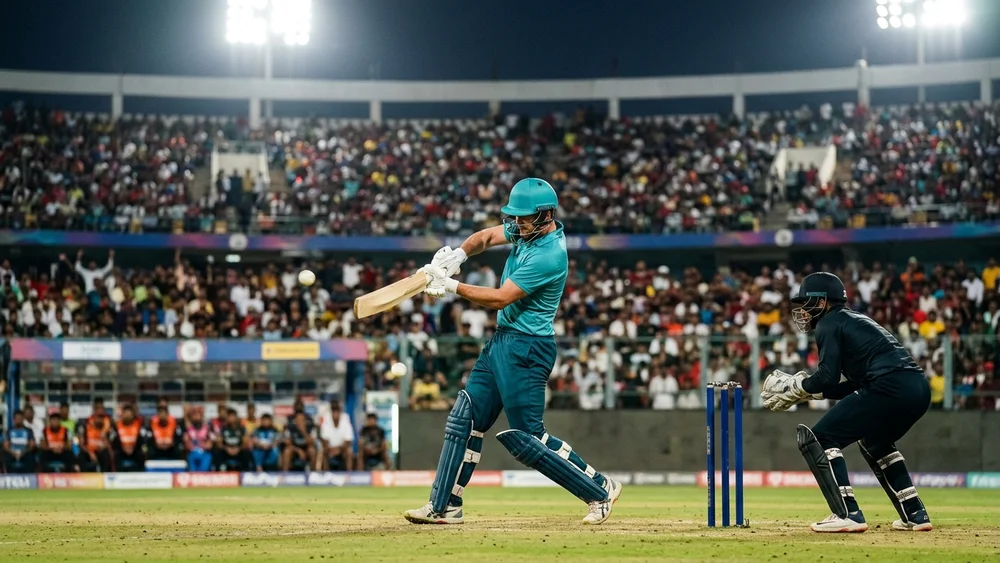
The Hundred is back for a sixth edition, and the first ball at The Oval on 21 July will land on a competition that looks very different off the field. Indian Premier League money has poured into the eight-team tournament over the past year, and the most visible result is on the scorecards: three teams begin the 2026 season under brand new names.
Three rebrands, and IPL owners everywhere
The clearest sign of the shift is at The Oval. Oval Invincibles, the men’s champions in each of the past three seasons, now play as MI London after Reliance Industries, the company behind Mumbai Indians, bought a 49 per cent stake for a reported 60 million pounds. Surrey keep the other 51 per cent. The Mumbai template travels well: the same ownership already runs teams in the United States and South Africa under the MI banner.
Up north, the Northern Superchargers have become Sunrisers Leeds. Sun TV Network, owner of Sunrisers Hyderabad, took full control of the Headingley-based side in a 100 million pound deal, the only one of the eight sales to change hands completely. The Manchester Originals, meanwhile, are now the Manchester Super Giants after RPSG Group, which owns Lucknow Super Giants, picked up a 70 per cent holding for around 81 million pounds.
A fourth IPL franchise has bought in without triggering a name change. GMR Group, a co-owner of Delhi Capitals, took 49 per cent of Southern Brave. Between them, four of the ten IPL sides now hold significant stakes in The Hundred, and Indian ownership has become the defining feature of a competition that was created to grow the English and Welsh game.
What the sales pay for
The stakes were not cheap, and that was the point. Selling equity in all eight franchises raised about 975 million pounds, and around 520 million of that flows back to the eighteen first-class counties and the recreational game. The England and Wales Cricket Board has framed the windfall as a way to shore up county finances and fund grassroots cricket for years to come.
The new owners have brought changes on the field too. The Hundred switched to a player auction for the first time ahead of this season, replacing the old draft, and the salary caps have risen so the teams can chase bigger names. Squads can now pick up to four overseas players, one more than before. For the incoming investors, the appeal is obvious: a ready-made short-format tournament in a major cricket market, played in the middle of the English summer with a global broadcast footprint.
What Indian fans can watch for
There is a catch for anyone hoping to see India’s men in these colours. Active India internationals still do not get clearance from the Board of Control for Cricket in India to play in overseas franchise leagues, so the country’s biggest stars will not feature even as Indian companies bankroll the teams. The women’s competition, which runs alongside the men’s on the same days and grounds, has historically been more open to Indian players and remains the better bet for a familiar name.
The cricket itself starts where the money now sits. MI London Men, chasing a fourth straight men’s title after three in a row as Oval Invincibles, face Sunrisers Leeds in the opener at The Oval on 21 July, before the tournament builds toward finals day at Lord’s on 16 August. For a competition that spent its first five years searching for an identity, the sixth season arrives with a clear one, stamped in IPL colours.