






Spain look built to last, and that should worry the rest of the world
Spain backed up Euro 2024 with the World Cup, and with Lamine Yamal only nineteen and Rodri collecting the game’s top prize, the dynasty question is a fair one.
Jul 20, 2026
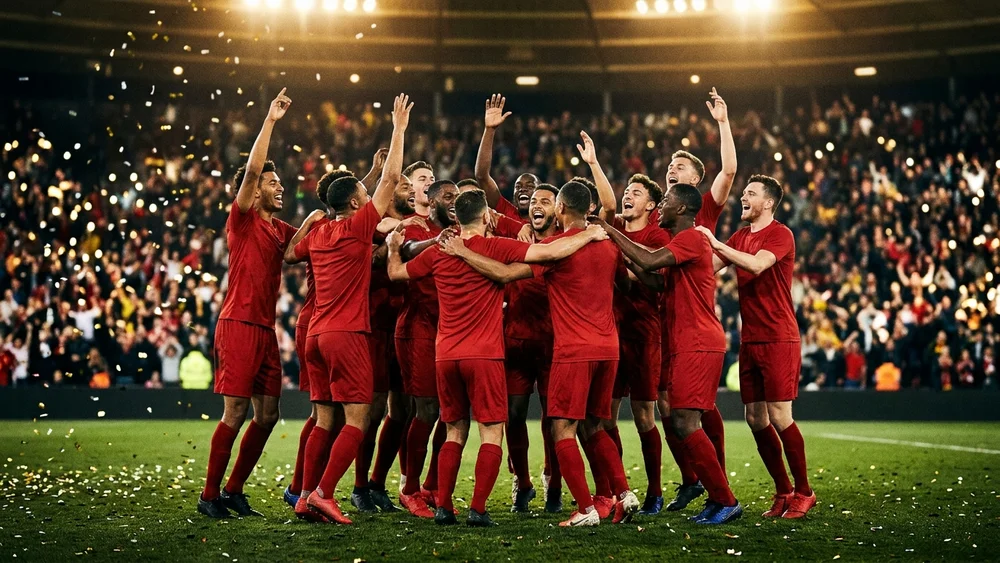
Spain did not win the World Cup final in a way anyone will frame and hang on a wall. A 1-0 grind against a stubborn Argentina, settled by Ferran Torres in extra time, was closer to a war of attrition than a coronation. And yet the scoreline almost undersells what happened. Spain had around twenty shots to Argentina’s two, controlled nearly every phase, and simply waited for the game to break their way. That is not luck. That is a team that knows exactly what it is.
The case for a dynasty
Here is what should worry everyone else. This is a Spain side that won Euro 2024 and has now added the World Cup, back-to-back major titles under Luis de la Fuente, and it has done so with a squad that is young enough to keep going. Lamine Yamal is nineteen. The spine around him is nowhere near its peak. When your best players are still years from their prime and you already have both trophies in the cabinet, the word dynasty stops being hyperbole and starts being a fair question.
What makes it more convincing is how they win. Spain do not lean on a single match-winner who has to drag them through. Rodri ran the tournament from deep and walked away with the player-of-the-tournament award. Unai Simon barely conceded and took the Golden Glove. Yamal supplies the moments, but the machine keeps humming even on the nights he is quiet. Teams built around one genius tend to rise and fall with him. Teams built around a system tend to last.
We have seen this Spain film before
The obvious reference point is the Spain of 2008 to 2012, the side that stacked a European title, a World Cup and another Euro into one golden run and made possession football look inevitable. This group is not a copy of that one, but the shape of the thing rhymes. Control the ball, starve the opponent, trust that quality tells over ninety minutes or a hundred and twenty. When it worked in the final, it looked less like a plan and more like gravity.
That history is also the warning. The last great Spain team burned bright and then aged all at once, and the drop from champions to also-rans was steep. Cycles end. Younger players get courted by the grind of club football, key men pick up the injuries that a career of high minutes brings, and the hunger that drives a first title is hard to fake for a third or a fourth.
The reasons for caution
There are real caveats, and it would be dishonest to skip them. Rodri is the engine of this side, and his recent history with injuries is a reminder of how quickly a midfield can lose its rhythm when the man who sets the tempo is missing. Tournament football is also brutally random. Spain were the better side in the final, but a red card for Enzo Fernandez and a bounce in extra time helped settle it, and those margins do not always fall the same way.
Then there is the simple problem of motivation. Winning everything is the hardest thing to keep doing, precisely because there is nothing left to prove. The next World Cup is four years away, a lifetime in a sport where form and fitness turn over fast. Plenty of teams have looked untouchable in July and ordinary by the following spring.
Why I would still back them
All of that said, if I had to bet on any nation dominating the next stretch of international football, it would be this one. The talent is real, the method is proven, and the age profile buys them time that most champions do not have. Argentina’s era is closing as Lionel Messi steps away from the World Cup stage. Spain’s, on this evidence, is only getting started. That is the difference between winning a trophy and beginning something, and Spain look a lot like a team that has just begun.