






The World Cup has become a live shop window for the transfer market
The summer window is running on top of a World Cup, and the overlap is driving record fees and quick moves for the tournament’s breakout names.
Jul 4, 2026
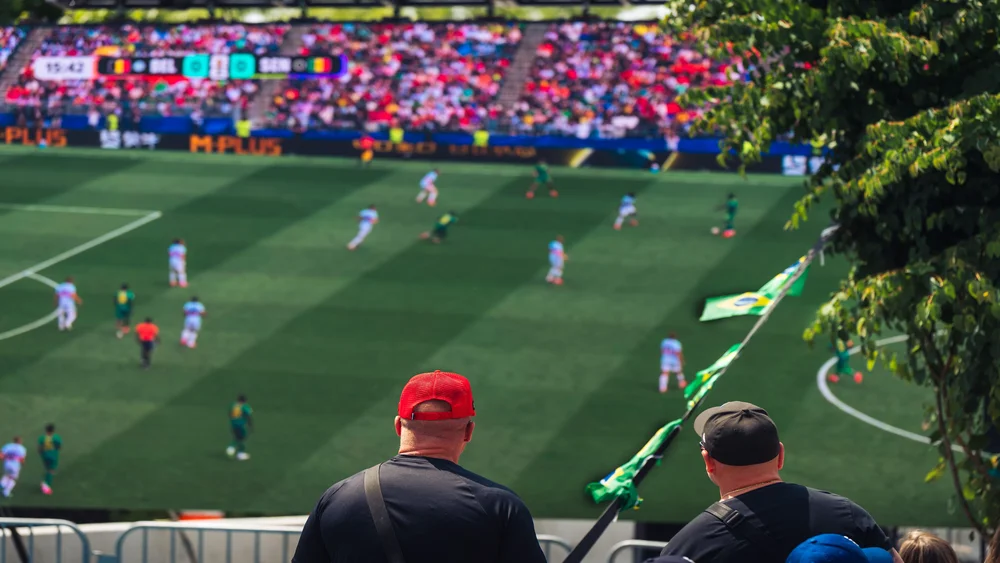
Somewhere between the group stage and the last 16, the summer transfer window quietly turned into the loudest story running alongside the World Cup. The two are happening at the same time, on the same screens, and clubs have spent the past few weeks doing deals while the tournament they are watching keeps rewriting a few players’ price tags in real time.
A window that opened mid-tournament
The scheduling is the odd part. The World Cup kicked off on 11 June and runs until 19 July. The transfer window opened on 15 June, four days later, and stays open until 1 September. For more than a month, recruitment teams are negotiating signings during the exact weeks their targets are performing on the biggest stage in the sport. Normally the tournament ends and the shopping starts. This time they overlap, and it shows.
That overlap does two things at once. It hands clubs a live audition to watch, and it hands selling clubs and agents a stage to drive a number up. A quiet pre-season friendly does not move a fee. A goal in a World Cup knockout tie can move it by millions overnight.
The records keep falling
You can see the effect in the fees. Manchester City pushed the British record to £116m for Elliot Anderson, a figure that would have looked unthinkable for a central midfielder not long ago. Tottenham broke their own club record to bring in Mateus Fernandes from West Ham for £85m. AC Milan smashed a record that had stood since 2019, paying PSG around €74m for Portugal forward Gonçalo Ramos, comfortably past the €49.5m they gave Lille for Rafael Leao.
None of those numbers exist in a vacuum. Clubs know the market is hot, they know their rivals are spending, and a tournament summer tends to loosen the purse strings across the board. When one record goes, the next one tends to follow.
The World Cup as a shop window
The clearest example of the tournament shaping a deal is Ismael Saibari. The Morocco midfielder scored at the World Cup and was one of the players lighting up the group stage, and PSV cashed in almost immediately, selling him to Bayern Munich for a reported €50m on a five-year contract. Bayern had done their homework long before the tournament, but the timing was not lost on anyone: get the deal signed before another big performance nudges the fee higher still.
That is the logic driving a lot of this. If a player is going to be more expensive after the semi-finals than he is after the group stage, the smart money moves early. For every buyer trying to beat the rush, there is a selling club happy to let the World Cup do its marketing and bank the premium.
It makes for a strange rhythm to follow. One tab has the knockout fixtures, the other has the done deals, and the same names keep jumping between them. Whether all this money proves well spent is a question for next season. For now, the tournament and the market are feeding each other, and the fees are the loudest evidence of it.