




Chapecoense lost 19 players in a plane crash ten years ago, and the club they rebuilt has just gone down again
LaMia Flight 2933 came down outside Medellín on 28 November 2016 with Chapecoense on board. A decade on, Alan Ruschel has retired and the club is heading back to Serie B.
Nov 28, 2026
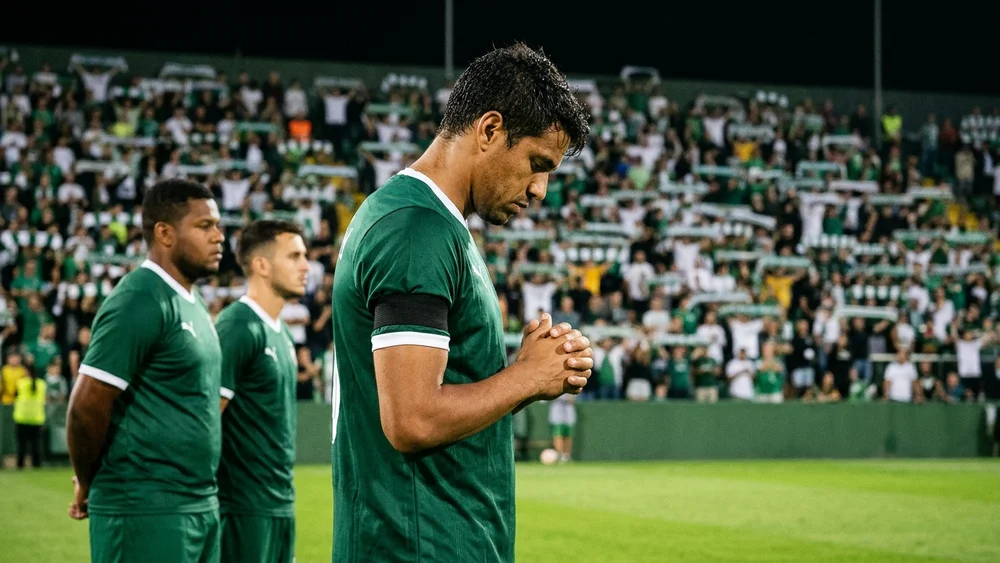
Ten years ago, a chartered plane carrying Chapecoense to the biggest match in their history ran out of fuel and flew into a mountain outside Medellín. It was close to 10pm in Colombia on 28 November 2016. In Chapecó, the small city in southern Brazil the club comes from, the calendar had already turned, which is why the club marks the anniversary on 29 November.
Of the 77 people on LaMia Flight 2933, 71 died. Nineteen of the 22 Chapecoense players on board were killed, along with coaching staff, directors, journalists and crew. Six people survived: the players Alan Ruschel, Jakson Follmann and Neto, the radio journalist Rafael Henzel, the flight attendant Ximena Suárez and the flight technician Erwin Tumiri.
A final they never played
Chapecoense were on their way to the first leg of the Copa Sudamericana final against Atlético Nacional. It was the first continental final the club had ever reached, and only seven years earlier they had been playing in Brazil’s fourth tier.
Nacional’s response is the part most people still remember. They asked CONMEBOL to give the title to Chapecoense, and on 5 December 2016 the confederation did, along with the winners’ prize money. Nacional received a fair play award for the gesture.
The Avro RJ85 had left Santa Cruz in Bolivia for a flight that was close to the limit of its range, and it did not stop to refuel. It came down about 18km short of the runway at Medellín’s José María Córdova airport. Colombia’s final report named fuel exhaustion as the cause and blamed the airline’s flight planning and the crew’s decisions. The pilot, Miguel Quiroga, was one of LaMia’s owners. He died in the crash.
Rebuilding a squad from almost nothing
What happened next is the part I find hardest to get my head round. Chapecoense had to put a whole new team together in a matter of weeks, helped by clubs who waived transfer fees, and then play a full season. Other Brazilian clubs proposed protecting them from relegation for three years. The idea was dropped, Chapecoense played on without it, and in 2017 they won the Santa Catarina state title, played in the Copa Libertadores and finished eighth in Serie A.
They stayed in the top flight until 2019, when they were relegated. They won Serie B at the first attempt in 2020, went straight back down in 2021, and then spent four seasons in the second tier before winning promotion again in 2025.
Down again, as the anniversary arrives
This season has not gone well. Chapecoense became the first club relegated from Serie A on 3 November, when they lost 2-1 at home to Mirassol at the Arena Condá. They will play in Serie B in 2027.
It would be easy to read that as a sad footnote. I don’t think it is. A club that lost almost its entire first team, its board and its coaches has spent a decade moving between Brazil’s top two divisions, and that is roughly where it was before the crash. Nobody gave them that. They earned it in seasons the rest of the football world had largely stopped watching.
The three players who survived
Ruschel was the only one of the three to have a real playing career afterwards. The left-back came back from spinal surgery, returned to the pitch in 2017 and went on to play for years. He retired on 14 November this year at 37, in a Juventude game against Botafogo-SP that sealed their promotion to Serie A for 2027. So in the same month, the club he survived the crash with went down and the club he finished with went up.
Follmann, the goalkeeper, had part of his right leg amputated and never played professionally again. Neto, the defender, tried to come back and was eventually forced to retire because of the pain from his injuries. Henzel, the journalist who survived, died of a heart attack in 2019.
Chapecó has spent this week remembering the 71. The club opened its programme of tributes with a 3-0 win at the Arena Condá over a Palmeiras side full of reserves and youngsters, rested for Saturday’s Copa Libertadores final, and the events run until Sunday, ten years to the day by the Brazilian calendar. Relegated or not, it was the right way to start the week.