








The ICC wants fewer bilateral ODIs, and bringing back the tri-series is the right way to do it
The 2027-31 schedule being drawn up in Dubai swaps standalone ODI series for more T20Is. The 50-over games that survive need something riding on them.
Sep 23, 2026
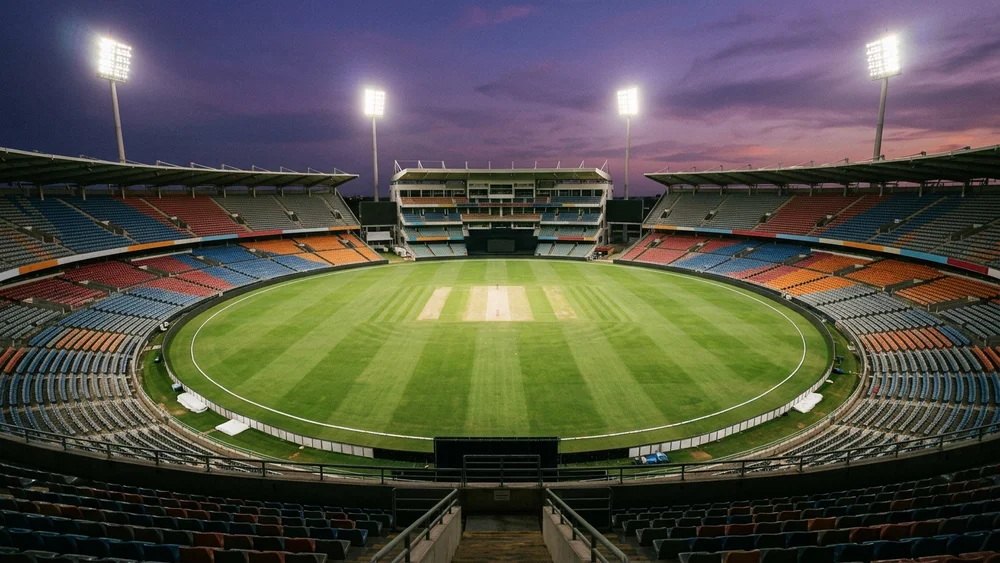
The International Cricket Council is spending 22 and 23 September in Dubai working out what international cricket looks like from 2027 to 2031. Operations staff from every Full Member board, plus the top eight Associates, were invited to the two-day workshop. The headline proposal, according to reports going into it, is more T20Is between Full Members, paid for by fewer bilateral ODIs.
Nothing is final yet. The 2027-31 Future Tours Programme is due to go to the ICC’s quarterly meeting in Bali in November, and the current cycle runs until March 2027. But the direction is clear enough to argue about, and I think it is the right one, as long as the ODIs that survive are made to matter.
Why T20Is are winning
The logic is not hard to follow. A T20 World Cup comes round every two years; the 50-over World Cup comes round every four. Add the franchise leagues, three international formats and cricket’s return at the Los Angeles Olympics in July 2028, and there is simply not enough calendar for everything. Something has to give, and the standalone three-match ODI series that nobody remembers a month later is the obvious candidate.
I would not miss most of them. A bilateral ODI series with no trophy, no table and no World Cup on the horizon is hard to care about, for players and for fans.
The India problem
India’s case is a bit different, though. Rohit Sharma and Virat Kohli gave up T20Is after the 2024 World Cup and walked away from Test cricket in May 2025. ODIs are now the only international cricket either of them plays. Both are in Shubman Gill’s squad for the three-match series against West Indies that starts in Thiruvananthapuram on 27 September.
Every ODI that disappears from India’s schedule is one fewer chance to watch two of the country’s greatest batters. That will not stop the ICC, and it should not. Schedules cannot be built around two players nearing the end. But it does explain why a cut to 50-over cricket will feel bigger in India than almost anywhere else.
Bring back the tri-series
The more interesting idea on the table is what replaces the bilateral series. One option being discussed is a return to tri-series and quadrangular tournaments, the kind that were common in the 1990s, rather than reviving the ODI Super League. That league ran from 2020 to 2023 as a World Cup qualifying route and was scrapped after the 2023 World Cup.
This is the part I would push hardest for. A three-team event has a final. It has something at stake in every game and a reason for three sets of fans to watch. Put India, a SENA side and one other team in a two-week tournament, and you get more meaningful 50-over cricket from fewer matches.
The big fixtures are mostly locked in already. The Ashes are set for England in 2027, Australia in 2029-30 and England again in 2031. England are due in India in early 2028, and India go to England in 2029. South Africa are expected to host India straight after the 2027 ODI World Cup, which South Africa, Zimbabwe and Namibia share in October and November that year.
The gaps between those tours are where the ICC decides whether ODIs quietly shrink or get a shape that people care about. Fewer matches is fine. Fewer matches with no point to them would be a waste.