








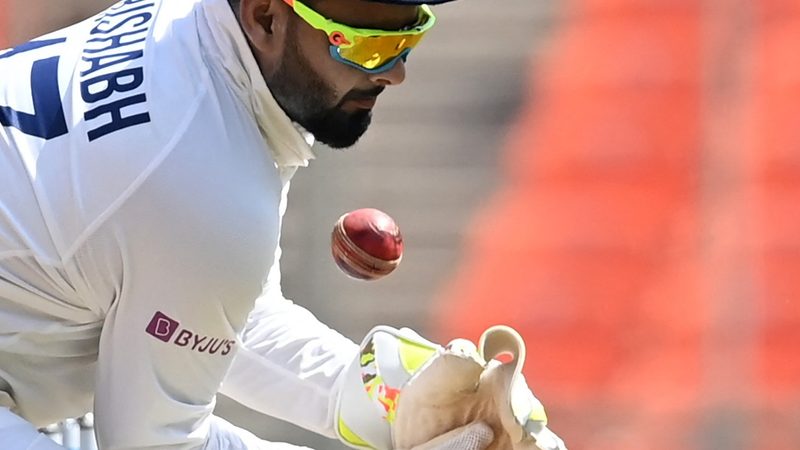
Three brands of red ball are used in Test cricket, and the one in the bowler’s hand depends on where the match is played. India use the SG. England, Ireland and the West Indies use the Dukes. Every other Test nation, Australia, New Zealand, South Africa, Pakistan and Sri Lanka among them, uses the Kookaburra. White-ball internationals everywhere are played with a white Kookaburra.
So whenever India tour England, the conversation turns to the Dukes, and in Australia it turns to the Kookaburra. Here is what actually separates the two, and where the SG fits in.
Dukes vs Kookaburra vs SG at a glance
| Dukes | Kookaburra | SG | |
|---|---|---|---|
| Made by | British Cricket Balls Ltd, England | Kookaburra Sport, Melbourne | Sanspareils Greenlands, Meerut |
| Dates back to | 1760 (Duke family, Kent) | 1890 (AG Thompson) | 1931 |
| Seam | All six rows of stitching sewn by hand | Two inner rows by hand, four outer rows by machine | Hand-stitched |
| Home Tests in | England, Ireland, West Indies | All other Test nations | India |
| Reputation | Swings for longer, seam stays proud | Hard and quick early, seam flattens sooner | Hand-stitched seam, the standard ball for Indian conditions |
Who makes each ball
The Dukes traces its history to 1760, when the Duke family began making cricket balls by hand at Penshurst in Kent. The business is now British Cricket Balls Ltd, owned since 1987 by Indian-born businessman Dilip Jajodia.
The Kookaburra was founded in Melbourne in 1890 by Alfred Grace Thompson. It is still an Australian family-owned company, based in Moorabbin, and it makes both the red Test ball used across most of the world and the white ball used in every ODI and T20 international.
The SG is made by Sanspareils Greenlands in Meerut, Uttar Pradesh. Our SG cricket ball guide covers the company, its Test ball and what the Laws require of any ball.
The key difference: how the seam is stitched
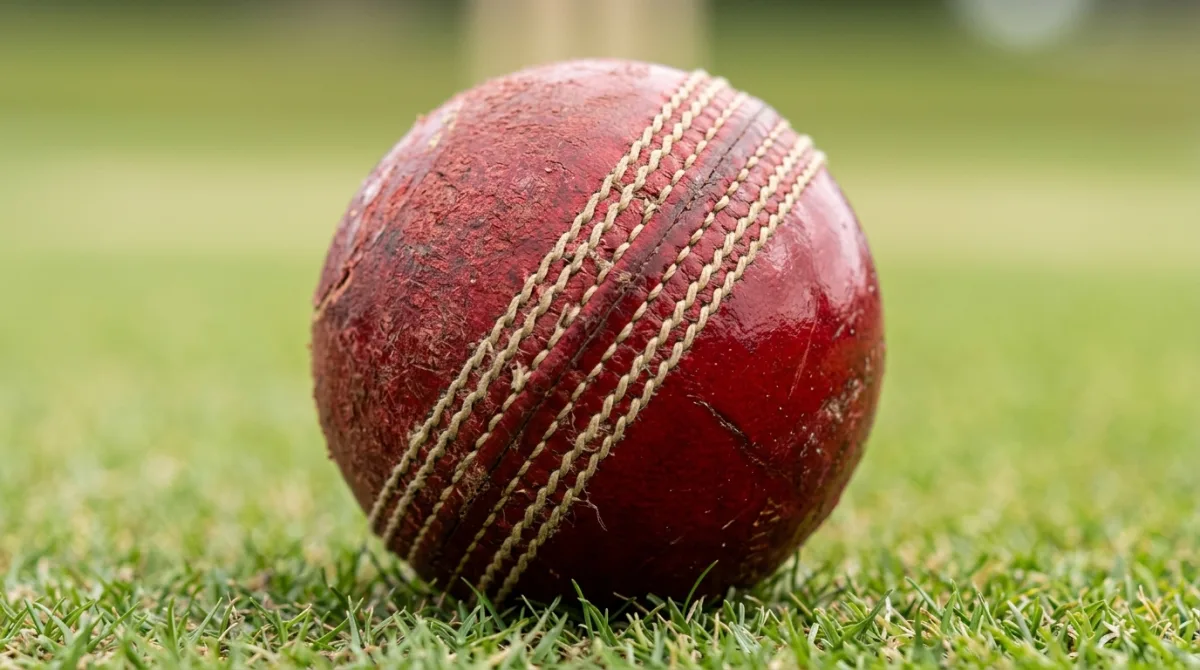
A cricket ball’s seam carries six rows of stitching. On a Dukes, all six are sewn by hand. On a Kookaburra, only the two inner rows, the ones that hold the two halves of leather together, are hand-stitched; the four outer rows are done by machine.
The hand-stitched Dukes seam is more pronounced and keeps its shape for longer. A proud, upright seam is what lets a fast bowler move the ball off the pitch, and a seam that stays proud keeps doing it deeper into an innings. The Kookaburra’s seam is flatter, so it does most of its work while the ball is new and hard, and tends to become easier to bat against as it ages.
Why the Dukes swings for longer
The Dukes leather is treated with grease during manufacture, which makes it darker and helps it keep a shine. Bowlers can polish one side for longer, and conventional swing lasts further into the innings. English conditions, with cloud cover and moisture in the air, add to that.
The Kookaburra, on harder and more abrasive Australian and South African pitches, loses its lacquer and shine faster. Pace and bounce matter more there than late swing. When the ball gets old, though, a rough side and a well-kept smooth side can bring reverse swing with any of the three balls.
Where the Dukes has come under fire
The Dukes is not without critics. During India’s 2025 Test series in England, both sides kept asking for the ball to be changed. India captain Shubman Gill said the ball was “going soft and going out of shape very quickly”. Jajodia defended it, blamed flat pitches and big hitting, and suggested the new ball could be taken between the 60th and 70th over rather than after 80. He also said the company would review its manufacturing process.
Why it matters for India
- The World Test Championship final: all three finals so far were played in England with the Dukes: Southampton 2021, The Oval 2023 and Lord’s 2025. The 2027 final is at The Oval again, from 9 to 13 June.
- Tours of England: Indian seamers who learn on the SG at home meet a ball that swings for longer, and batters face movement well past the first hour.
- Boards change their mind: the choice of ball is the home board’s, and it can move. Pakistan switched first-class cricket from the Dukes back to the Kookaburra for 2026-27, the second change in seven years. Our report on Pakistan’s switch explains why.
Dukes vs Kookaburra: FAQs
Which ball swings more, Dukes or Kookaburra?
The Dukes. Its hand-stitched seam stays proud for longer and its greased leather holds a shine, so it swings and seams for more of an innings than the Kookaburra.
Which ball is used in India?
The SG for Tests and first-class cricket. White-ball internationals in India use the white Kookaburra, like everywhere else.
Which ball is used in the WTC final?
The Dukes, because every final so far has been played in England.
Is the Kookaburra hand-made?
Partly. Its two inner rows of stitching are sewn by hand and the four outer rows by machine. The Dukes is hand-stitched in all six rows.
Featured photo: AFP / Sajjad Hussain