






The 48-team World Cup’s opening round belonged to the sides nobody expected
Germany’s 7-1 rout of Curacao was the nightmare the expansion’s critics predicted. The rest of the opening round told a more encouraging story.
Jun 15, 2026
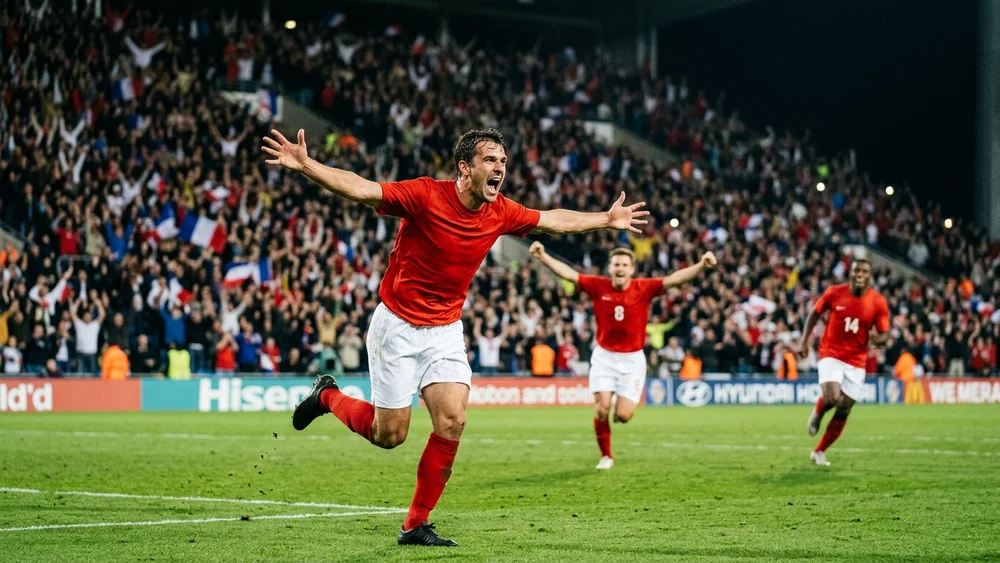
The case against a 48-team World Cup was always the same: water down the field, add a clutch of nations that have no business being there, and you get a group stage full of dead rubbers and cricket scores. One round of games is in, and the early evidence is more reassuring than the cynics expected. There has been a thrashing or two, but the smaller nations have mostly turned up to compete rather than to make up the numbers.
The fear was a tournament of mismatches
FIFA pushed the field from 32 teams to 48 for this edition, splitting them into 12 groups and stretching the schedule to 104 matches. The worry was obvious. More places meant more debutants and more sides from outside football’s traditional elite, and a World Cup that had spent decades trimming itself to the best was suddenly throwing the doors open. If the opening round had been a procession of 5-0 wins for the favourites, the critics would have had their told-you-so ready.
Germany duly provided the cautionary tale. Their 7-1 win over debutants Curaçao was the kind of result the doubters had in mind, a gulf in class that no amount of romance can dress up. Sweden’s 5-1 win over Tunisia pointed the same way. When the gap is that wide, the expansion looks like exactly what its critics said it would be.
But the underdogs mostly competed
Look past those two results, though, and the picture changes. Canada held Bosnia and Herzegovina to a draw and picked up the first World Cup point in their history. Qatar, who lost all three of their games as hosts in 2022, snatched a stoppage-time equaliser to draw with Switzerland and finally got off the mark at a World Cup. Scotland, back at the finals after an absence stretching to 1998, beat Haiti to win their opening match. Ivory Coast edged Ecuador with a late goal.
None of those are giant-killings on the scale of past tournaments, but that is rather the point. The new sides did not roll over. They defended well, they stayed in games, and a few of them won. A draw against Switzerland or a one-goal win over Ecuador will not trouble the eventual champions, but it gives a country a night it will talk about for a generation, and it does not embarrass the tournament that allowed it in.
What it means for the rest of the way
I am not ready to declare the expansion a triumph on the back of one round, and a format that lets so many third-placed teams through to the knockouts still has to prove it will not breed caution in the final group games. The Curaçao result is a warning that some of these gaps are real, and a long tournament will expose them again. But the central fear, that 48 teams would drain the group stage of jeopardy, has not held up so far. Most of the newcomers have made their matches worth watching, and for an event that sells itself on bringing the world together, that is the part that matters most. The favourites will sort themselves out soon enough. The opening round belonged to the sides that were not supposed to be here.