






The World Cup’s new third-place safety net is already catching the big names
Mexico are already through, but this World Cup’s new eight-team third-place route is quietly reshaping how the big sides think about qualifying.
Jun 19, 2026
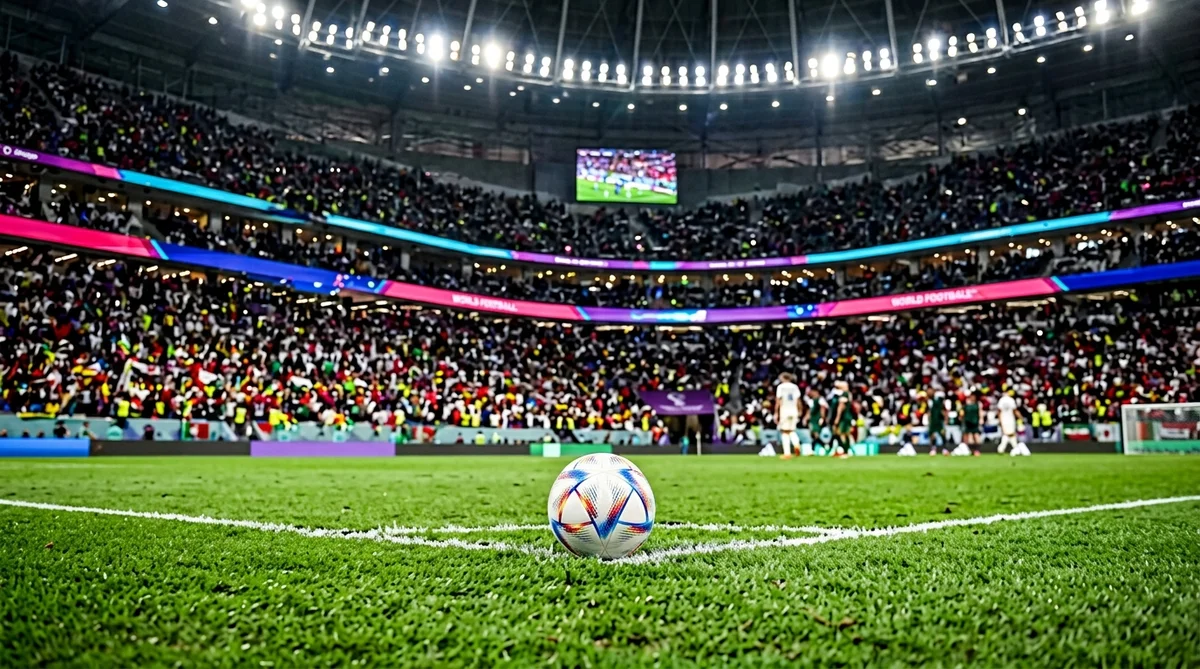
Mexico became the first team to book a place in the knockout rounds this week, sealing their spot in Group A with a game to spare. It was a clean, old-fashioned way to go through: win your group, leave nothing to chance. The trouble is that at this World Cup, the tidy route is no longer the only one, and for a clutch of bigger names the messier path is already looking like the one they will have to take.
This is the first 48-team World Cup, and the format has handed the tournament a feature it has never had before: a race within the race for the eight best third-placed teams.
A safety net that did not used to exist
The maths is simple enough on the surface. The 48 teams are split into 12 groups of four. The top two in each group go through automatically, which fills 24 of the 32 knockout places. The last eight spots go to the best third-placed sides from across all 12 groups, and together those 32 teams feed into a brand new Round of 32 that runs from 28 June, straight after the group stage finishes on 27 June.
In every previous World Cup, finishing third in your group meant flying home. Now it can be enough. That single change softens the cost of a slow start, and just over a week into the tournament you can already see who it is rescuing.
The heavyweights already eyeing the back door
Brazil, Belgium and Portugal all opened their campaigns with draws, held to 1-1 by Morocco, Egypt and DR Congo respectively. None of those results are disasters on their own, and all three have time to recover. But each dropped points where they would have expected three, and that is exactly the situation the third-place route was designed to catch. A team that wins one and draws one can still find itself relying on other groups’ results to nudge it over the line.
That is the strange new comfort of this format. A heavyweight no longer has to win its group, or even finish second, to keep playing. For sides that arrived as contenders and stumbled early, the cushion is real. It just comes with strings attached.
The catch nobody mentions
Finishing third does not guarantee anything. The 12 third-placed teams are ranked against one another, first on points, then goal difference, then goals scored, then disciplinary record, and finally FIFA ranking if it comes to that. Four points is usually safe and three often is not, but the line moves depending on how the other groups break.
The knock-on effect is a group stage where plenty of teams will finish their final match without knowing whether they have qualified. A side could play on the second day of the last round and then spend 48 hours watching other fixtures decide its fate. In a tight year, the eighth and final third-place spot could even come down to yellow cards, which turns a quiet booking in a dead-rubber into something that matters.
Whether all of this is an improvement is a fair argument. The expanded field keeps more nations and more fans invested deeper into the tournament, but it also lowers the stakes of the group stage, and a competition that once punished any slip now offers a second chance to teams that have not earned it on the pitch. Either way, the third-place race is here, it is already bending how the big sides approach their remaining games, and it is the clearest sign yet that this is a World Cup unlike any that came before it.