






Eight from twelve: inside the World Cup scramble for the best third-place spots
Why coaches at this World Cup are watching other stadiums as closely as their own, and how a single yellow card could decide who survives the group stage.
Jun 25, 2026
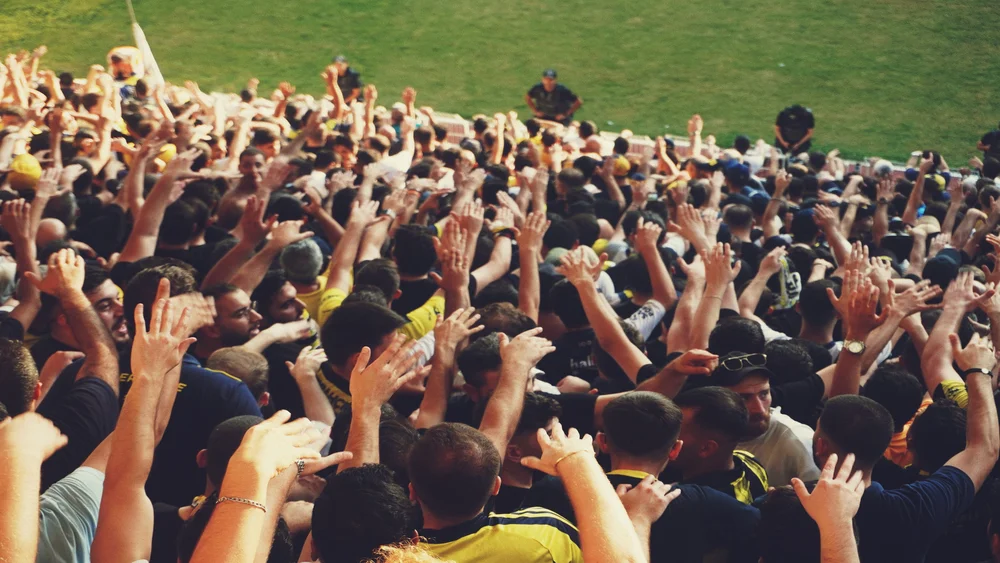
The 48-team World Cup has given us bigger groups, more nations and a longer first round. It has also given us a strange new sub-plot that turns the final days of the group stage into a spreadsheet: the race for the eight best third-placed teams. With the group phase ending on June 27, finishing third in your group no longer means going home. It might mean nothing of the sort.
Here is the maths. Twelve groups of four send their top two through automatically, which fills 24 of the 32 knockout places. The last eight go to the best of the dozen third-placed sides, ranked against one another across the whole tournament. Only the four weakest thirds are eliminated. It is the first time a World Cup has had a round of 32 at all, and this is the mechanism that fills it out.
Why the final round turns into chaos
The trouble with comparing third-placed teams from different groups is that they have not played each other, so head-to-head results are useless. Instead FIFA lines them up on their full group record, and the margins are brutal. A single goal can lift a side above the cut line or drop it below. On the last matchday, a team can be sitting comfortably inside the eight at kick-off and outside it by the final whistle, without kicking a ball differently themselves.
That is what makes the closing fixtures compulsive viewing even when the scoreline in front of you looks settled. Coaches are watching other stadiums as closely as their own, doing sums on goal difference and goals scored, because those are the next two tiebreakers after points. A late consolation goal in a game you are losing can be the difference between a flight home and a place in the last 32.
When a yellow card can send you home
It gets stranger still. If two third-placed teams cannot be separated on points, goal difference or goals scored, the next tiebreaker is each team’s conduct record. Bookings carry a cost: a yellow card counts against you, with heavier deductions for second yellows and straight reds. In a tournament this tight, a needless caution in stoppage time could, in theory, be the thing that knocks a country out.
And if even that fails to separate two sides, FIFA turns to its world ranking, a new wrinkle in the 2026 regulations. It means a team could do everything on the pitch, match a rival point for point and goal for goal, stay clean on cards, and still go out because a ranking compiled long before the tournament has them a place lower. Fair? Not obviously. But someone has to be 24th in line and someone 25th, and FIFA has decided this is how it draws the line.
The teams sweating on it
The drama is already real. South Korea dropped into the third-place pool after losing to South Africa on the final day in Group A, their qualification now out of their own hands and dependent on results far away from them. Scotland, third in their group, are in the same boat, needing to finish as one of the best eight to extend a tournament they have given everything to.
For those sides the closing days are an exercise in helplessness, refreshing other groups’ tables and hoping the numbers fall kindly. It is not the cleanest way to settle a place at a World Cup, and it asks fans to learn arithmetic they never wanted to. But it has also made the dead rubbers anything but dead, and given a clutch of nations a lifeline that the old 32-team format would never have offered. For one weekend, at least, the third-place table is the most-watched table in football.