






Why Rohit and Kohli should still be first on India’s England ODI teamsheet
The squad is due any day, and the noise around Rohit Sharma and Virat Kohli is back. Here is why that is the wrong argument to be having.
Jun 19, 2026
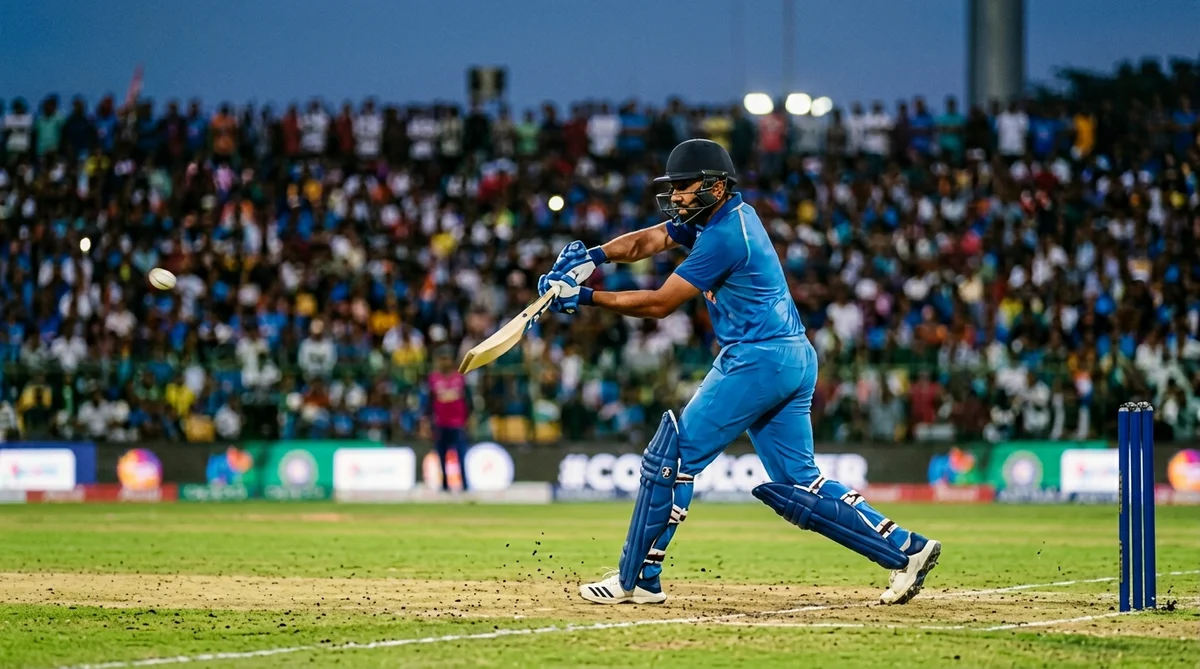
India’s selectors are expected to name their ODI squad for the England tour around the end of the Afghanistan series this week, and you can already hear the usual noise building around two names. Every time a 50-over squad is due, the question lands the same way: is it finally time to move on from Rohit Sharma and Virat Kohli? My answer, for this tour at least, is a straightforward no. They have earned their places, and the more interesting selection calls sit elsewhere.
The form makes the argument
The case for keeping faith is not sentiment. It is runs. Rohit piled up 650 in 14 ODIs across 2025, including a hundred against Australia and a couple of fifties against South Africa. Kohli was even more relentless, finishing as India’s leading ODI scorer for the year with 651 runs in 13 matches at an average north of 65. Both ended the year ranked among the very best in the world in the format. You do not drop the top two batters on your books because of their birth certificates.
There is a tidy line that gets repeated about clearing the decks for younger players, and in T20 cricket India have already done exactly that. The 50-over game is different. The 2027 World Cup in southern Africa is still some way off, and India have a handful of ODI series before then to manage any handover. Forcing it now, against England, in conditions where experience counts, would be a strange place to start.
The captaincy is already settled
One transition that is genuinely under way is the armband. Shubman Gill took over as ODI captain late in 2025, with the selectors clear that they wanted him bedded in well before the next World Cup. That call has aged well. Gill leading while Rohit and Kohli keep scoring is not a contradiction, it is the sensible version of a handover, where the senior players stay useful without blocking the long-term plan. England will be another rung on that ladder for Gill, not a referendum on the men batting around him.
Where the real questions are
If the top order picks itself, the bowling is where I would spend my time as a selector. A three-match series in mid-July brings English pitches that can offer both early movement and, later in the day, enough for the spinners. Getting the balance right between seam and slow bowling, and managing Jasprit Bumrah’s workload across formats, matters far more than which veteran bats at three.
This is also the window to give a fringe player or two real ODI minutes rather than a seat on the bench. India have a deep pool of white-ball talent pushing for attention, and a low-stakes part of a packed schedule is exactly where you find out who can handle it. That can be done without weakening the side. Pick the strongest available XI to win the series, then use the squad spots and any dead-rubber situation to look ahead.
So when the squad drops, I will not be scanning it to see whether Rohit and Kohli survived the cut. They should be on it, and they will likely walk back into the team. The questions worth arguing over are quieter ones, about balance and depth, and they will tell us more about where this India side is heading than any retirement debate.