






India’s fitness problem is bigger than one lost series in England
After India’s one-day series loss in England, Shubman Gill pointed not at the opposition but at a run of injuries that stopped him fielding his strongest side. With the 2027 World Cup on the horizon, fitness is India’s most pressing problem.
Jul 22, 2026
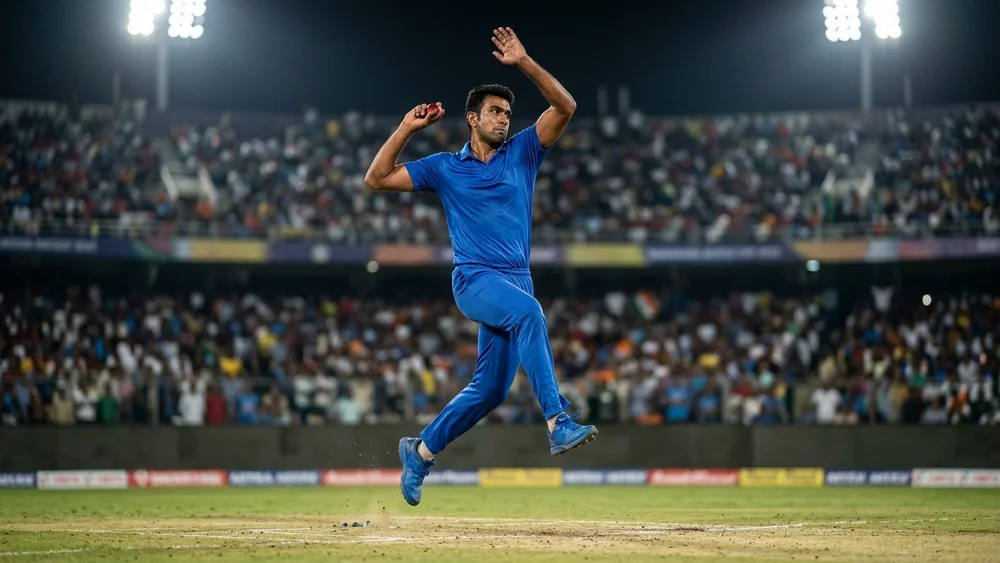
India lost a one-day series in England they might, on paper, have expected to win. The more telling detail is what their captain thought caused it. Shubman Gill did not reach for England’s batting or a tactical misread. He looked inward, at a squad that could not keep eleven fit men on the field.
England took the three-match series 2-1. India started well, chasing down their target at Birmingham to go a game up, before England levelled at Cardiff and then pulled clear in the decider at Lord’s, where Ben Duckett’s 141 carried them to 387 for 3. By the end India were assembling an eleven rather than picking one.
A treatment room, not a team sheet
Gill’s frustration was with availability. India could not field the side they wanted because of a run of injuries that began before the tour and never really eased. Hardik Pandya was unavailable from the outset. Nitish Kumar Reddy was ruled out with a quad problem and replaced by Shivam Dube, while Harshit Rana and Varun Chakravarthy also broke down and had to be covered by late call-ups. Then came the blow that stung most. Jasprit Bumrah, having got through the first two matches, hurt his knee fielding at Cardiff and sat out the Lord’s decider.
Lose a fast bowler of Bumrah’s standing halfway through a tight series and everything tilts. The attack loses its cutting edge, the balance of the side shifts, and a captain is left picking between an underdone player and a lesser one. Gill made the point that a cricketer carrying a niggle, only somewhere near full fitness, is a gamble in a five-bowler attack, because the risk of a mid-match breakdown never quite disappears.
The workload question
None of this is new to Indian cricket, and that is the part that should worry them. The sheer volume their leading players get through, across formats and franchise leagues, has turned soft-tissue injuries into a recurring tax rather than a spell of bad luck. Rotation helps until a series that matters comes along, at which point the best available names are asked to play through, and the cycle starts again.
The counter is that depth should cover it, and India do have depth. But depth wins you a dead rubber. It does not replace a first-choice attack in a knockout, and it does not hand a captain the settled combination Gill was quietly asking for.
Why the timing matters
The 2027 World Cup runs from early October to late November next year, spread across South Africa, Zimbabwe and Namibia. That is a little over a year away, close enough that the group India assemble now is more or less the group that will travel. Gill’s comments read less like a post-series grumble and more like a marker put down early. Get the fitness right, or keep losing the combination that could actually win the thing.
A lost series in July is recoverable. A squad that cannot be relied on to stay fit is a harder thing to mend, and India have barely a year to manage it.