






Sir Garfield Sobers, cricket’s greatest all-rounder, dies at 89
Sir Garfield Sobers, the West Indies all-rounder revered as the most complete cricketer the game has produced, has died at the age of 89.
Jul 18, 2026
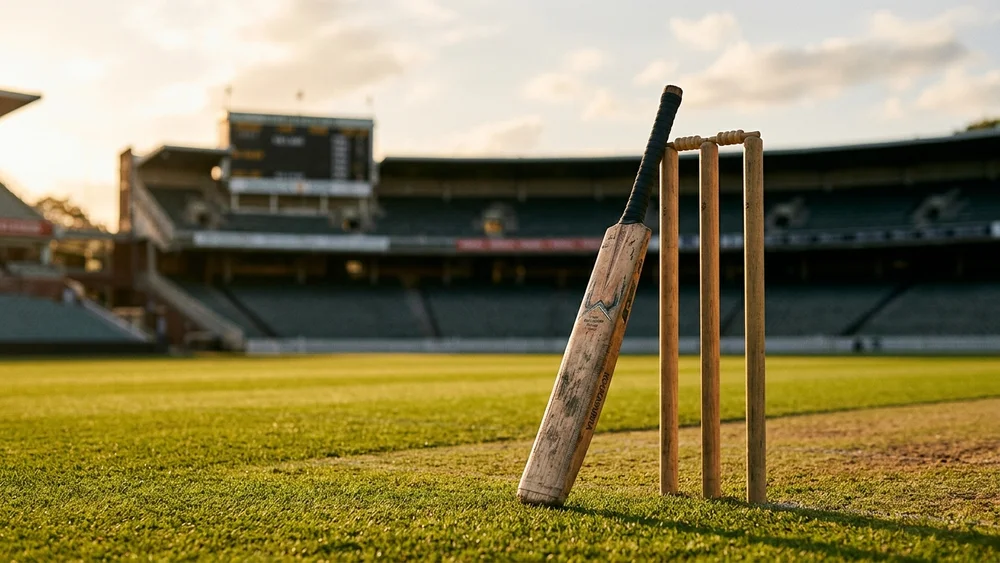
Cricket has lost the man most of the game still measures greatness against. Sir Garfield Sobers, the West Indies left-hander who could bat like a dream, bowl in three different styles and field anywhere, died on Friday, 17 July, at the age of 89. The West Indies board confirmed his passing without giving a cause, and within hours the tributes were arriving from every corner of the cricket world.
Sobers was not simply a great all-rounder. For six decades he has been the yardstick, the name reached for whenever anyone tries to describe a complete cricketer. Ask Sunil Gavaskar, who called it probably the saddest day the game has known and said the greatest cricketer to walk the earth had left us. It was not hyperbole from a man who saw Sobers up close.
The 365 that stood for 36 years
The legend really began at Sabina Park in 1958. Sobers, then just 21, made 365 not out against Pakistan. It was his maiden Test hundred, and it carried him past Len Hutton’s 364 to the highest individual score the format had ever seen. That record lasted 36 years, until another left-handed genius from the Caribbean, Brian Lara, went past it with 375 in 1994. Lara would later stretch the mark all the way to 400, but the line runs straight back to a Barbadian kid at Sabina Park.
Ten years after that innings came the piece of theatre everyone knows. Playing for Nottinghamshire against Glamorgan at Swansea in 1968, Sobers took Malcolm Nash for six sixes in a single over, the first time it had been done in first-class cricket. The grainy footage of that over has been replayed at every ground and in every highlights reel since, and it remains the shorthand for pure batting audacity.
Three bowlers in one man
What set Sobers apart from the other batting greats of his era was everything he did with the ball. He could open the bowling with genuine swing and seam, then come back later in the innings and turn his arm over as an orthodox left-arm spinner or send down wrist-spin and chinamen. Captains effectively had two or three bowlers rolled into one, and Sobers never seemed to think any of it was a burden.
The numbers back up the aura. In 93 Tests he scored 8,032 runs at an average of 57.78 and took 235 wickets. In first-class cricket the picture is even bigger: 383 matches, more than 28,000 runs and over a thousand wickets, spread across the West Indies, South Australia and his years at Trent Bridge. He captained the West Indies from 1965 to 1972, a stretch that included some of the side’s most watchable cricket.
A knighthood and a nation’s grief
Barbados never lost sight of what he meant to the island. Sobers was knighted by Queen Elizabeth II in 1975 for his services to cricket, and he carried the honour lightly, still turning up at grounds and clubhouses long into his later years with the same easy warmth. On news of his death, the Barbados government declared a national day of mourning and announced that its most celebrated sporting son would be given a state funeral.
The reaction from India told its own story about his reach. The BCCI mourned the loss of a true icon and one of the game’s greatest all-rounders, while Virat Kohli and Sachin Tendulkar were among the many current and former players who paid their respects. The England and Wales Cricket Board called him one of the greatest ever to play the game. For a cricketer whose peak came before most of today’s audience was born, the depth of feeling said plenty.
Sobers would have turned 90 later this month. That he did not quite reach it feels almost beside the point. He gave the game close to seven decades of memories, a body of work that still sets the bar, and a way of playing that made the hardest parts of cricket look like the most natural thing in the world. There has been no one quite like him, and the sport knows it.