






Honey traps, hotel rooms and dugout access: inside BCCI’s IPL 2026 protocol crackdown
The BCCI is readying an advisory to clean up unauthorised access in IPL 2026, with the Anti-Corruption Unit flagging unknown people in dugouts, team hotels and players’ rooms, and Devajit Saikia warning that no franchise will be spared.
May 8, 2026
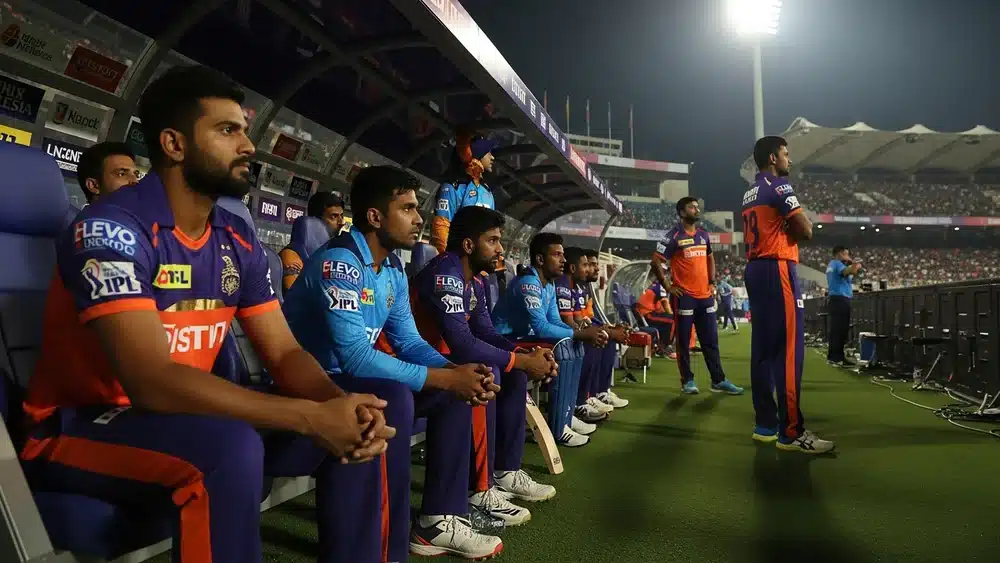
The BCCI is preparing an advisory that will end one of IPL 2026’s quieter side stories: the steady stream of unauthorised people walking through team hotels, dugouts and dressing rooms. Secretary Devajit Saikia has flagged the issue publicly, the Anti-Corruption Unit has filed a report on what its officers have seen, and the board has warned franchises that the next breach will trigger stringent action.
What the Anti-Corruption Unit flagged
The ACU’s report covers a list of specific behaviours that have crept into IPL 2026: unknown persons travelling with squads on team buses, walking into team hotels, and visiting players’ or officials’ rooms without proper clearance. Team owners and senior franchise officials have also been observed mingling with players in zones that are meant to be off-limits during match windows.
None of this is new in concept. The IPL has always run on tight protocols around match days. What is new is the scale at which the protocols are being diluted, and the willingness of the board to put it on the record before the playoffs begin.
The girlfriend-and-influencer angle
The most-reported strand of the advisory is the one BCCI has framed most carefully. The board says immediate family members are still welcome with players, but it is concerned about partners and social media influencers attached to player groups, particularly those who have previously promoted betting applications on their channels.
The worry is not personal. It is structural. Anyone with regular access to a player’s hotel room is a potential conduit for inside information, intentionally or otherwise. When that person also has a public profile linked to gambling brands, the risk of inside-line leakage is no longer theoretical.
Indian media reports have circulated names of several high-profile cricketers seen around their franchise setups with rumoured partners through the season. The BCCI has not named anyone directly, and its advisory is built around behaviour and access, not individuals.
What the advisory will actually do
The mechanism is administrative. Written authorisation from the team manager will be required before any guest can enter a player’s or official’s room. The framework also tightens the rules around team owners and senior franchise representatives entering player-only zones during match windows.
Saikia’s line, reported across the Indian press, is that the BCCI will not spare anybody once the advisory is in force. Arun Dhumal, the IPL chairman, has weighed in publicly to back the move. The escalation pattern usually starts with a written warning and goes through fines and suspension to the heavier sanctions if the pattern repeats.
Why it matters at this point in the season
Timing matters. The advisory is being readied with the league in its final stretch and the playoffs days away, which is exactly when integrity scrutiny tightens. Match windows are shorter, dressing-room conversations matter more, and the gap between an inside line and a betting market is at its smallest.
This is also a reputational moment for the BCCI. The IPL is the world’s most valuable cricket property, and any sense that access protocols have gone slack feeds the larger conversation around T20 leagues, betting markets and player conduct. Putting the advisory on paper before playoffs is the cleaner political move than reacting to a flashpoint after one.
Whether enforcement actually bites will be the test. Advisories without follow-through become noise. If the BCCI does fine or sanction a franchise inside this season, it is a different story. For now, the message has been sent. The next move is the franchises’.