










How the BCCI's batting-friendly directive has redrawn home advantage in IPL 2026
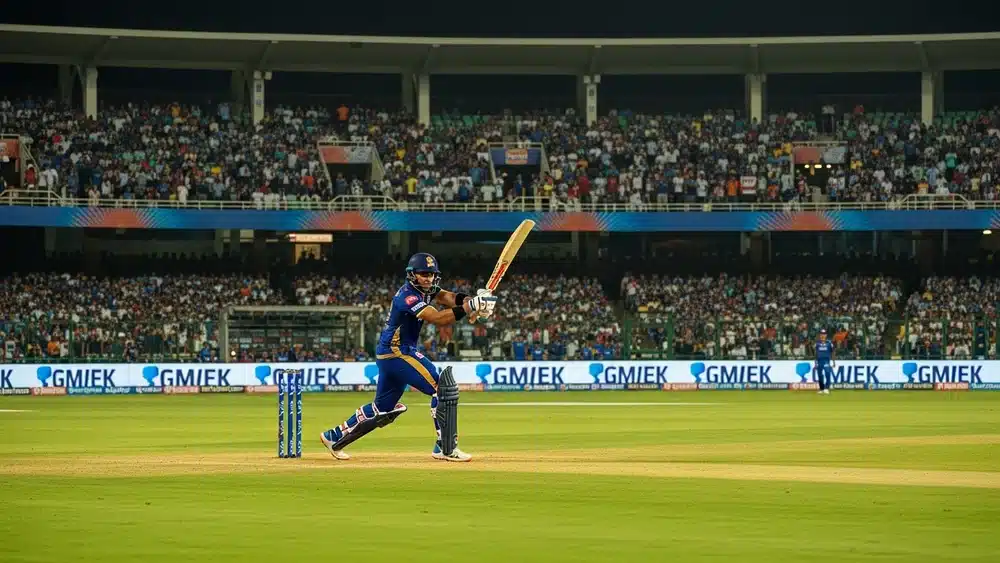
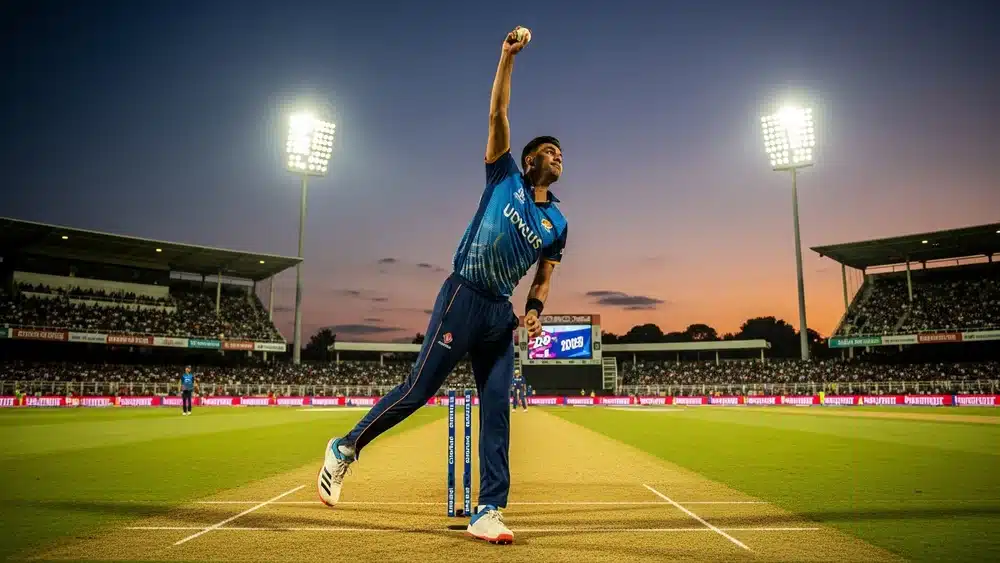
For the first time in a long while, the most consequential rule change in IPL 2026 has nothing to do with Impact Players or DRS. The BCCI has installed a central curator at every venue and built the playing surface from a board-controlled blueprint: minimal help for bowlers, uniform grass cover, no dry strips, boundaries capped at 77 metres. The franchise tradition of leaning on a friendly local groundsman to cook up a turner or a green seamer at home is, this season, simply unavailable.
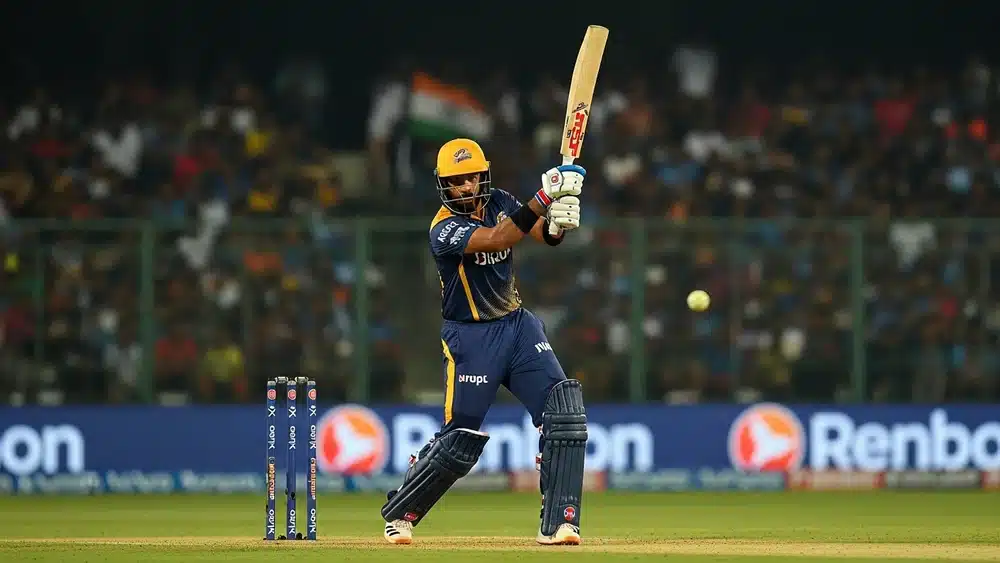
The numbers tell the story before the talking does. Par scores at most venues are sitting in the 180-200 band. Hyderabad's Rajiv Gandhi International Stadium has averaged 202 in first-innings totals across recent matches. Anything below 200 at a batting-friendly ground now reads as below par. The 235s and 220s that used to be event-of-the-season totals have become weekly viewing.
What the directive actually says
The brief to curators is unusually prescriptive for the IPL. Pitches should offer minimal seam movement and minimal turn. Grass cover should be uniform across the strip rather than left in patches that favour one bowling type. Outfields should be hard and quick. Boundary ropes are not to be pushed beyond 77 metres at any venue. A BCCI curator sits on top of the local groundstaff at every ground, and during the playoffs the board's central curator panel takes full operational control.
Behind the language is a simple structural decision: the board, not the franchise, owns the conditions of play. The franchises have lost the leverage they used to apply on home pitches in earlier seasons, and the BCCI has openly framed the move as one designed to make every match a fair contest rather than a home setup.
The franchises whose model relied on home-tweaked surfaces
The biggest losers from the directive are the sides whose tactical identity was tied to the help they got from a specific home strip. Chennai Super Kings have historically benefited from the slower, gripping Chepauk surface and built their squad around finger-spin and ball-savvy strikers who could read low bounce. Kolkata Knight Riders had Eden Gardens to lean on. Sunrisers Hyderabad had a faster Uppal track that suited their seamers in earlier years.
Take that home tilt away and squad balance becomes a different conversation. A spin-heavy team built for Chepauk is a less convincing proposition on a uniform 200-runs-on-the-board surface in May. A seam-heavy attack engineered for early-tournament Hyderabad bounce loses its sharpest edge once the curators flatten the strip out.
The bowlers who lose most
The directive reads as a structural tilt against bowlers, and within that, especially against the kind who relied on a helpful wicket for their best work. The skill-bowlers, the ones whose value comes from variations and seam position rather than from grip or movement off the surface, can carry their game from venue to venue. A wrist-spinner who needed bite in the strip to turn middle-overs run-scoring into a three-run-an-over choke is in a different position when the strip refuses to offer it.
The bowlers who continue to thrive are the ones who do not need the pitch to do their work for them. That favours death-overs specialists with strong yorkers and pace-off changes, and seamers whose stock skill is wrist position rather than wicket help.
The playoff implications
The board's most pointed line in the directive is that the playoff and final pitches are entirely under the central curator panel. The host venue's local crew takes a back seat once knockouts begin. With three different venues hosting the playoffs this year, the goal is for the four qualifying sides to walk into surfaces they could not have lobbied for in the earlier rounds. Dharamshala's Qualifier 1 strip, the Eliminator and Qualifier 2 wickets at New Chandigarh, and the Ahmedabad final pitch will all be cooked from the same recipe.
That has a knock-on effect at squad-selection level. A side that earned its points on a doctored home wicket needs an extra layer of plan-B in playoffs week, because the conditions it has been training in for two months will not necessarily turn up. The teams that adjusted earliest to the new pitch reality are the ones now sitting comfortably in the top half of the table.
A market signal as well as a sporting one
There is a broader read here too. The IPL is the world's most-watched T20 product, and broadcasters and sponsors prefer high totals. A board-controlled batting-friendly directive lines up squarely with the commercial logic of the league. The cricketing case for this season's pitches is debatable. The commercial one is not.
Whether the policy holds in this exact form into IPL 2027 is a separate question. A handful of bowlers and head coaches have already started pushing back through the back-channels, and the size of recent finals totals is the kind of data point that drives a mid-cycle revision. For now, though, the rule is the rule. Home advantage in the IPL, in the form franchises knew it, is gone.









Cricket Updates