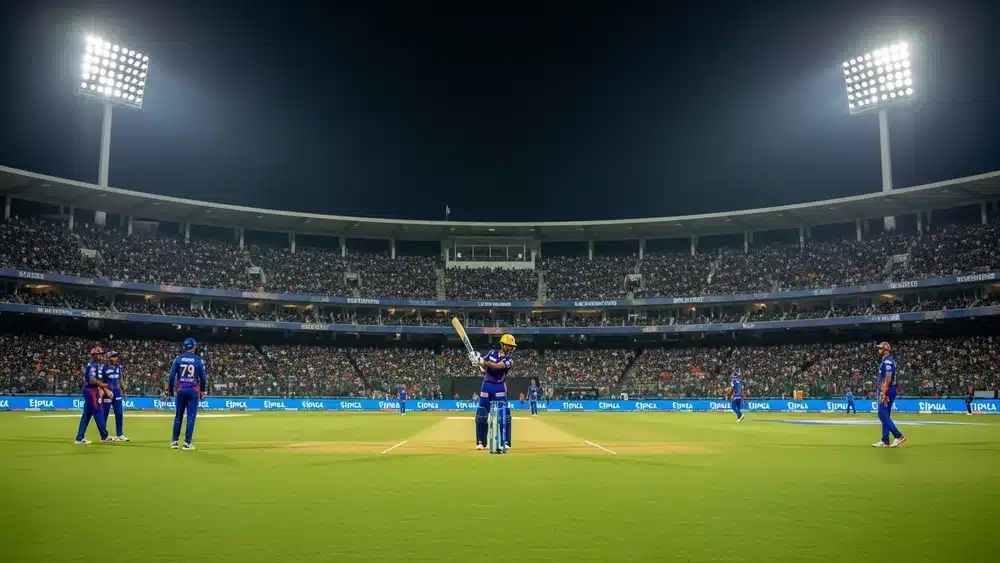











The IPL keeps creating its own overseas player headache and nobody wants to fix it
We are four days away from IPL 2026 and the injury-and-absence list reads like a starting XI. Pat Cummins is in rehab. Josh Hazlewood needs clearance from Cricket Australia. Mitchell Starc is waiting for a NOC. Lockie Ferguson is at home with his newborn. Nathan Ellis is out for the season with a hamstring injury. Sam Curran has a groin problem. Harshit Rana, Akash Deep, Yash Dayal: gone before a ball has been bowled.
On cue, Sunil Gavaskar has written his annual column telling franchises to get tough. Drop the players who take you for granted, he says. Stop covering their families' expenses if they cannot even show up on time. It is a reasonable argument, and it will change precisely nothing.
The auction creates the problem
Here is the uncomfortable truth nobody in the IPL ecosystem wants to admit: the mega auction format is designed to maximise price, not availability. Franchises bid tens of crores for players in December knowing full well that Cricket Australia manages its stars' workloads, that the English cricket schedule overlaps, and that the New Zealand season runs deep into March.
They bid anyway. They have to. The overseas slots are where the difference between a playoff team and a bottom-four team often lives. So teams pay 11.75 crore for Starc and 12.50 crore for Hazlewood, cross their fingers, and hope Cricket Australia cooperates. When CA inevitably restricts their players, the same franchise owners who signed the cheques act like victims.
Availability windows are not a secret
This is not new information. Cricket Australia has been managing fast-bowler workloads for years. The ICC calendar is published well in advance. New Zealand's home season runs through March. England's county schedule starts in April. Every franchise has access to this data before the auction paddle goes up.
The obvious solution is a mandatory availability declaration before the auction. If Cummins can only play eight matches, that should be public knowledge before SRH commits 18 crore to retain him. If Ferguson plans to miss the first games for paternity leave, Punjab Kings should factor that into their 2-crore retention decision.
The BCCI could mandate this tomorrow. They choose not to, because lower availability would drive down auction prices, and the IPL's commercial model depends on eye-watering numbers at the auction table.
Gavaskar's solution sounds good but solves nothing
Dropping a player who arrives two weeks late is a satisfying idea in theory. In practice, no franchise will voluntarily weaken their squad to make a point. If Hazlewood is fit by match four and RCB are 1-3, they are going to play him. The financial incentive always wins.
There is also a fairness problem. Gavaskar groups together players who are genuinely injured (Ellis, Curran), players restricted by their national boards (Starc, Hazlewood, Cummins), and players making personal choices (Ferguson). These are not the same thing. Penalising a player because Cricket Australia will not release him punishes the wrong person.
What would actually help
Three changes would reduce the chaos. First, mandatory availability windows declared before the auction, with salary adjustments for partial availability. Second, larger squad sizes with an extra overseas slot to absorb early-season absences. Third, a replacement pool system that lets franchises sign temporary overseas players for the matches their contracted star misses, without burning a permanent squad spot.
None of these are radical. Several T20 leagues already use variations of these rules. The IPL has not adopted them because the current system works well enough for the BCCI's bottom line. Franchises grumble, pundits write columns, and the tournament starts anyway.
The real message
The IPL is the richest cricket league on earth. It can afford to build a system that accounts for the reality of international cricket's schedule. It just does not want to, because the current mess generates better headlines, bigger auction numbers, and plenty of content for the pre-season news cycle. Until the cost of doing nothing exceeds the cost of reform, expect the same story next March.









Cricket Updates