










Liverpool will miss Salah more than they think and replacing him might be impossible
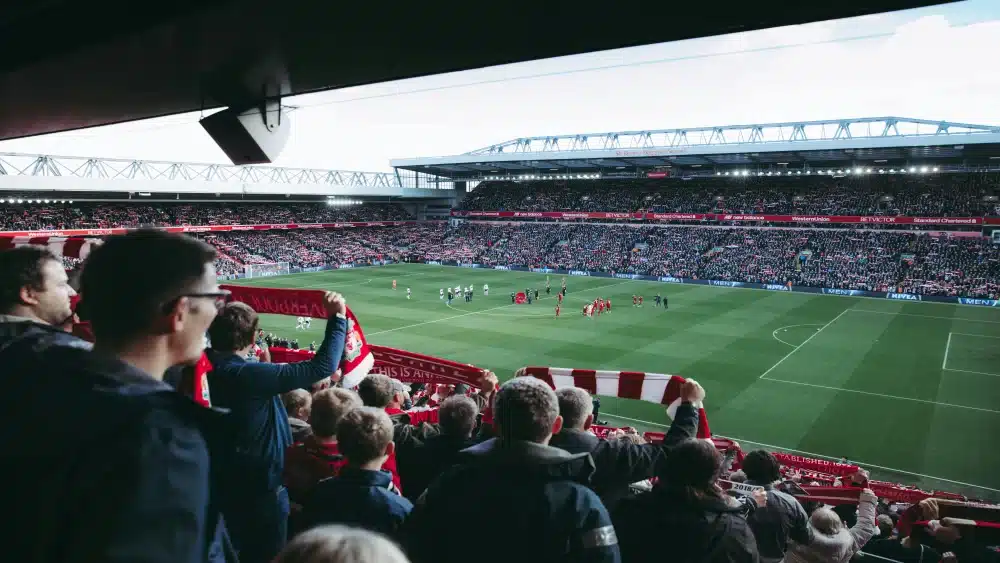
When a player scores 255 goals in 435 appearances for your club, wins two league titles, a Champions League and five other trophies, you do not simply replace them. You absorb the loss and hope the next chapter is good enough that people stop making comparisons. Liverpool confirmed on Tuesday that Mohamed Salah will leave at the end of the season. Everyone knew it was coming. That does not make it any easier to deal with.
The numbers do not tell the whole story
Salah's 2025-26 season has been, by his own extraordinary standards, underwhelming. Five Premier League goals and six assists from 22 appearances is a record most wingers would be satisfied with. For a player who once scored 32 in a single league campaign, it represents a clear decline. He has been benched by Arne Slot, publicly said he no longer has a relationship with the manager, and spent the last few months looking like a man who had already mentally checked out.
But strip away this one difficult season and look at the full picture. His 255 goals make him Liverpool's third-highest scorer of all time. His 119 assists across all competitions put him among the most creative forwards in Premier League history. He arrived from Roma in the summer of 2017 for a fee that looked steep at the time and turned out to be one of the best bargains English football has ever seen.
The Slot factor
Salah's fallout with Arne Slot has shaped the final chapter. He was dropped in December and responded by telling reporters that "someone" at the club was trying to push him out. Slot described the relationship as "normal" in January. It clearly was not. Liverpool agreeing to let Salah walk a year before his contract expires suggests the club decided the situation was no longer manageable.
Whether Slot was right to bench a 33-year-old forward whose output was declining, or whether he mishandled the biggest personality in his dressing room, is a question that will be debated for years. Probably both things are true at once.
Who fills the gap?
Liverpool sit fifth in the league with 49 points from 31 matches. They are in the Champions League quarter-finals. Even without peak Salah, they are a competitive side. But the drop-off from what he was at his best to what comes next could be sharp.
Bayern Munich's Michael Olise is the name most frequently linked with Liverpool. He has 22 goals and 27 assists in 39 matches this season and would cost somewhere north of 100 million euros. RB Leipzig's Yan Diomande, a 19-year-old from the Ivory Coast, has publicly said he dreams of playing at Anfield. Anthony Gordon at Newcastle is another option.
None of them are Salah. Olise might be the closest in terms of profile, a right-sided forward who can cut inside and create, but he has never carried a club the way Salah carried Liverpool through their greatest modern era. Expecting a new signing to walk into Anfield and immediately shoulder that burden is not realistic.
The hardest goodbye
Liverpool's recruitment under FSG has been excellent for years. They replaced Coutinho. They replaced Mane. They found a way to move on from Firmino. Each time, the transition worked because the system was bigger than any individual.
Salah is different. He was not just a cog in the machine. He was the machine. The player who turned ordinary matches into personal showcases, who scored goals that defied logic, who made defenders look lost with a feint and a burst of acceleration that no amount of video analysis could prepare you for.
Liverpool will buy someone good this summer. They always do. But the next time a big moment arrives at Anfield and the crowd instinctively looks toward the right wing, the shirt running there will belong to somebody else. That is going to take a long time to get used to.









Cricket Updates