


Jay Shah says no country is bigger than the ICC but the T20 World Cup saga told a different story
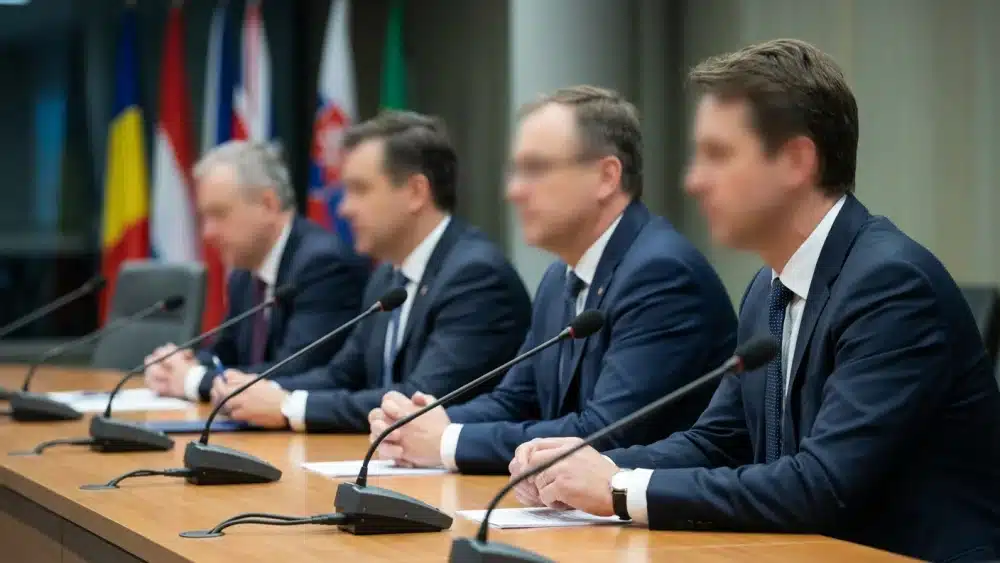
Speaking at the Indian Business Leader Awards in Mumbai, ICC chairman Jay Shah offered his first detailed public comments on the drama that engulfed the T20 World Cup 2026 before a ball was bowled. "No team is bigger than the organization," Shah said. "An organization is a combination of all teams."
It was a line designed to close the book on a messy few months. Whether it actually does is another question.
What actually happened
The sequence of events went like this. On January 4, Bangladesh announced they would not travel to India for their group-stage matches, citing security concerns linked to political tensions with their neighbour. The Bangladesh Cricket Board requested their fixtures be moved to Sri Lanka. The ICC said no. On January 24, after a 24-hour ultimatum went unanswered, Bangladesh were replaced by Scotland.
Pakistan then threatened their own boycott, initially in solidarity with Bangladesh and later specifically targeting their group match against India in Colombo, scheduled for February 15. Diplomatic conversations between Pakistani and Sri Lankan leaders followed, and Pakistan reversed course. They named a squad, flew to the tournament, reached the Super Eights, and went home.
India, of course, won the whole thing.
The uncomfortable question
Shah framed the resolution as evidence that the ICC's structures work. A team refused to play, the ICC found a replacement, the tournament went ahead and broke viewership records. On the surface, that looks like effective governance.
But scratch a little deeper and the picture gets murkier. Bangladesh were expelled from a World Cup for the first time in their history. Pakistan came close to following them. The diplomatic intervention that brought Pakistan back had very little to do with cricket and everything to do with political back-channels. And the consolation prize for Bangladesh, hosting rights for a future ICC Under-19 World Cup, felt less like fairness and more like a participation trophy handed out to make the problem go away.
Power and perception
Shah's claim that no country is bigger than the ICC is technically correct. The ICC does have rules, and those rules were applied. Bangladesh were given a deadline. They missed it. Scotland stepped in.
The problem is perception. The T20 World Cup was co-hosted by India and Sri Lanka. Shah, before becoming ICC chairman in December 2024, spent five years as secretary of the BCCI. When the ICC's biggest revenue driver hosts the tournament and the ICC's chairman is the former head of that country's board, telling smaller nations that "no team is bigger" rings hollow for those on the receiving end.
None of this means Shah acted improperly. But cricket's governance has always struggled with the gap between how rules are written and how power is actually distributed. Three boards, India, England and Australia, generate the overwhelming majority of the sport's commercial income. That reality shapes every negotiation, every schedule, every hosting decision.
What comes next
Shah also used his speech to look ahead, mentioning the 2028 Los Angeles Olympics and long-term plans stretching to 2036. Cricket's inclusion at the 2028 Games is a genuine opportunity to grow the sport beyond its traditional markets. But getting there requires the kind of trust between members that took a battering over the past three months.
The T20 World Cup 2026 was a commercial success. The cricket was brilliant. India's three-peat will be remembered for decades. But the pre-tournament chaos should not be forgotten either. If Shah wants his words to carry weight the next time a crisis surfaces, the ICC will need to show that "no country is bigger" applies evenly, not just when the smaller ones step out of line.