










Why the biggest transfers are waiting for the World Cup to finish
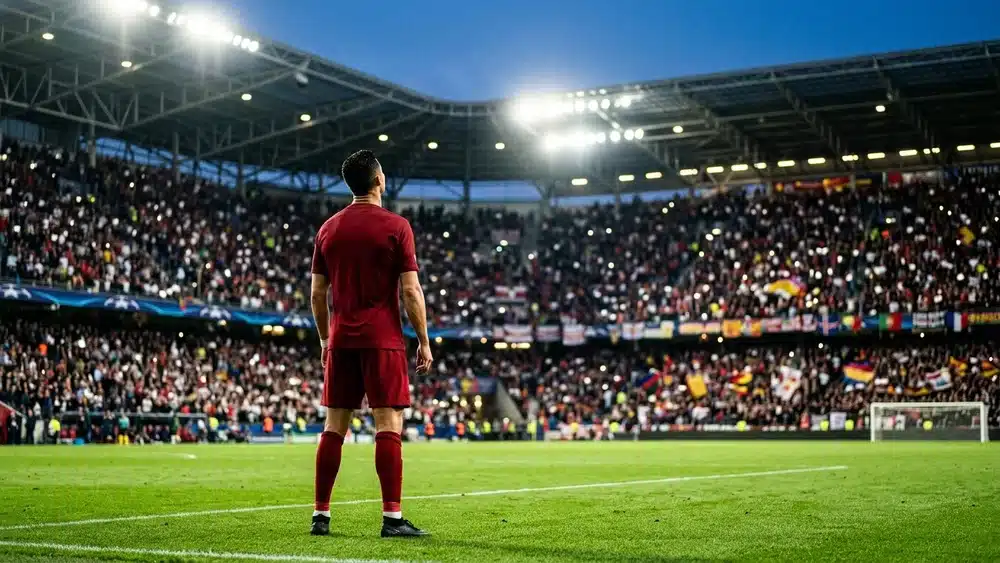
A summer transfer window and a World Cup rarely share a calendar this neatly, and when they do, the market changes shape. The 2026 window opens on June 15, four days after the tournament kicks off in North America, and stays open until September 1. The final is on July 19. For six weeks, in other words, clubs will be trying to do business while half their targets are away playing the biggest matches of their careers.
The first effect is that everyone slows down. Why pay full price in June for a forward who might be worth twice as much in July, once he has scored in front of a global audience? And why sell now, when another month could turn a useful squad player into a name every sporting director in Europe suddenly wants?
The tournament as a shop window
This is one of the oldest patterns in the game. A strong World Cup has always been the quickest way for a player to multiply his value. James Rodriguez went to Brazil in 2014 as a talented Monaco forward, finished as the tournament's top scorer, and was a Real Madrid player before the dust had settled. Every cycle produces a version of that story, a player who arrives unheralded and leaves with half of Europe chasing him.
The expanded format only widens the net. With 48 teams, more players from leagues that scouts rarely watch closely get four weeks under the brightest lights. Selling clubs understand exactly what that is worth. The shrewd ones will hold firm through July, betting that a good run deep into the tournament adds a zero to the asking price.
The clubs that move early
Not everyone waits, though. The sides that know precisely what they want are trying to get their business done before the rush arrives. Real Madrid's swoop for Denzel Dumfries is the template: trigger the release clause now, while it sits at its floor, rather than gamble that the Dutchman has a quiet tournament and stays cheap. Sign the deal, send the player off to the World Cup with his future settled, and sidestep the bidding war that a strong month would have started.
It is a calculated bet on your own judgement over everyone else's hindsight. Move early and you might overpay for a player who flops in North America. Wait, and you might miss him entirely, or pay double once everyone else has seen what you saw.
The free agents playing a longer game
Then there are the players with no clause and no club, holding the tournament as leverage of their own. Mohamed Salah, a free agent after leaving Liverpool, has been open about it. "I am going to the World Cup and then everything will become clear," he said, adding that he would decide sooner only if the right offer landed first. Bernardo Silva, also out of contract after leaving Manchester City, sits in much the same place, weighing his options with no particular reason to hurry.
For them, July is less a deadline than an audition in reverse. A strong tournament strengthens the hand, a quiet one might force a rethink, and the leverage runs in both directions. Out-of-contract players have always done their best business in the cracks of the calendar, and a World Cup summer hands them the biggest crack of all.
The real business comes later
So the quiet opening fortnight of this window is misleading. The headline deals will mostly land in the back half of July and on into August, once the trophy has been lifted and everyone knows who the breakout names actually are. The clubs that waited will pay more but buy with certainty. The clubs that moved early backed their own eyes and hoped the rest of the market was slow. Both can turn out to be right. What is not in doubt is that the stillness of mid-June is not a lull at all. It is the whole of football holding its breath.









Cricket Updates