









The World Cup just got much bigger, and that is not the same as better
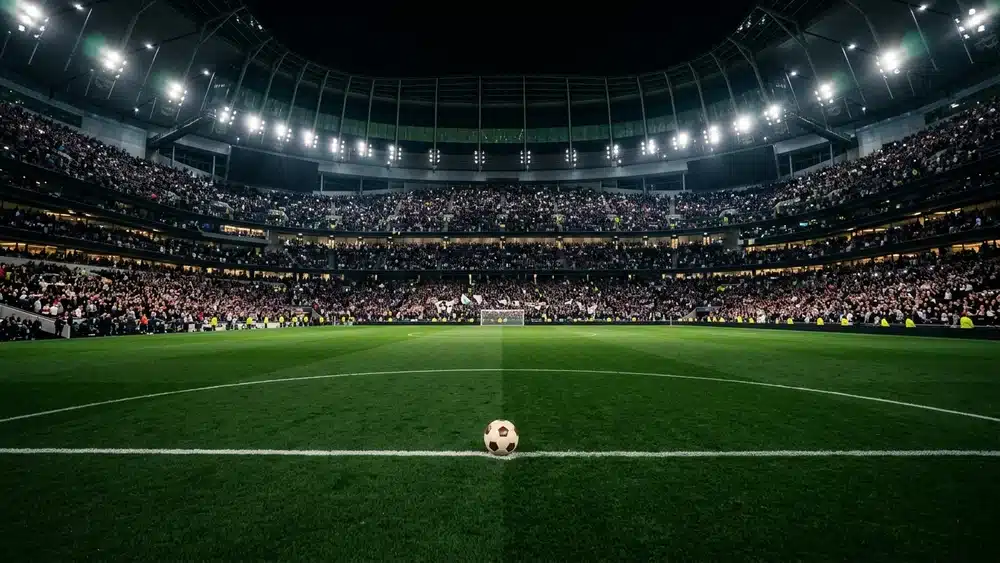
When Mexico kick off against South Africa in Mexico City on June 11, they will start the biggest World Cup in the tournament's history, and one of the most uncertain. For the first time the finals will feature 48 teams instead of 32, spread across the United States, Canada and Mexico, packed into 104 matches over 39 days. We have never seen a World Cup on this scale, which means nobody, FIFA included, knows exactly how it will play out.
What has actually changed
The headline number is the teams. Sixteen more nations have been added, and they have been arranged into 12 groups of four rather than the old eight groups of four. Each side still plays three group games, but qualifying is wider now. The top two from every group go through, and so do the eight best third-placed teams, which feeds into a brand new round of 32 before the tournament reaches the familiar last 16. A team that makes the final will now play eight matches rather than seven, and the whole event runs a week longer than the 2018 edition did.
That is a lot of extra football. The 2022 World Cup had 64 matches. This one has 104. For broadcasters and host cities it is a windfall, and for fans of countries who have rarely or never qualified before, it is the chance they have waited decades for.
The case for going bigger
There is a genuine romance to expansion. More places means more first-timers, more flags in the stands that have never been there before, and more of the underdog stories that the World Cup has always sold itself on. Football is a global game that has often run a fairly exclusive party, and opening the door to 48 nations spreads the tournament into corners of the map that used to watch from the outside. Staging it across three countries, in some of the largest stadiums in the world, only adds to the sense of an event built to be the biggest yet.
If you believe a World Cup should reflect the whole of world football rather than just its established powers, this is the format you have been asking for. The giants will still be there, and now they share the stage with a much longer guest list.
And the part that worries me
Here is where I get nervous. Adding the eight best third-placed teams to the knockouts is the kind of maths that can drain jeopardy out of the group stage. When finishing third in your group might still be enough, some of those final group games lose their edge, and a tournament can only afford so many matches where neither side truly has to win. The early rounds risk feeling less like a survival test and more like a long sorting exercise before the real competition starts at the round of 32.
There is the human cost too. Players are coming off brutal club seasons into a 39-day tournament where the finalists play eight games in the heat of a North American summer. More matches sounds great until you remember who has to play them, and how tired some of these squads already look before a ball is kicked.
So I land somewhere cautious. Bigger is not automatically better, and this format will be judged on its knockouts and on whether the new teams arrive to compete rather than to make up the numbers. Get that right and 2026 becomes the tournament that genuinely belonged to the world. Get it wrong and we will spend a month waiting for a competition that only really begins in the final two weeks. Either way, we are about to find out together.









Cricket Updates