










Carrick has earned the Manchester United job, and the club have never made these decisions cleanly
Michael Carrick took over a Manchester United team in free fall in January and has driven them back into the Champions League. The case for handing him the job permanently is strong. The club's recent history says nothing about this is guaranteed to be straightforward.
The case is built, not invented
When Manchester United dismissed Ruben Amorim in early January, they were a club without a plan B. Amorim had won 15 of 47 Premier League games and finished his tenure as the lowest-points-per-game manager of the United Premier League era, his back-three system breaking down in front of a dressing room that had stopped believing. Carrick was the in-house solution. Four months later, the conversation is whether the in-house solution should stay.
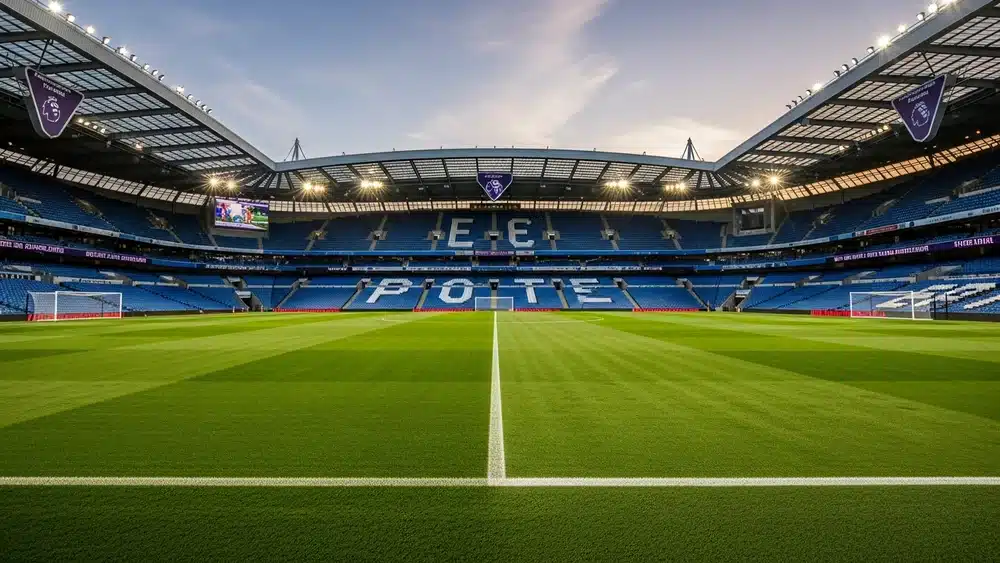
The on-pitch case is concrete. United beat Manchester City 2-0 in his first game on January 17, edged Arsenal 3-2 in his second, and have lost only twice in the league since. They sealed Champions League qualification with Sunday's 3-2 win over Liverpool at Old Trafford. The squad that looked tactically lost under Amorim has settled into a clearer system. Bruno Fernandes is leading from a position he is happy in, Kobbie Mainoo has been trusted in big games and signed his new long-term deal, and the dressing-room read is calmer than it has been in years.
Caretakers often get a bounce. What makes Carrick's case different is that the bounce has lasted across more than three months and survived two defeats without unravelling. The team's underlying numbers have improved. The wins have come at City, against Arsenal and against Liverpool, the kind of fixtures that made Amorim's United fold.
Why this is not as simple as it should be
And yet there is a real chance United go elsewhere. Andoni Iraola has had the kind of season at Bournemouth that lands a manager on every shortlist. INEOS is reported to have placed Iraola at the top of their list, with the reasoning ranging, depending on the source, from "he is a more proven head coach in his own system" to "we cannot have another Solskjaer". Iraola is also in talks with Ajax, and that timer matters.
The other supposed alternatives are gone. Roberto De Zerbi has signed for Tottenham. Thomas Tuchel is contracted to England. Luis Enrique is at PSG. The shortlist is genuinely thin, and the longer United wait, the more it shrinks.
This is where Old Trafford's recent track record gets in the way. Six different permanent managers have come and gone since Sir Alex Ferguson. Moyes, Van Gaal, Mourinho, Solskjaer, Ten Hag and Amorim were each hired in different recruitment philosophies, and each new appointment was as much a rejection of the previous decision as an endorsement of the new one. There is no recent appointment that looks settled in retrospect. That pattern does not predict what United do next, but it makes a clean call harder than it should be.
The Solskjaer parallel that may not hold
The argument against Carrick is the obvious one. He is a club legend with limited senior management experience and the Solskjaer parallel writes itself. Solskjaer also had a strong start, also delivered a Champions League qualification, and also got the permanent job before the wheels came off.
The trouble with that read is that it skips what is different. Solskjaer's interim spell leaned on late wins and individual moments that papered over a structurally limited side. Carrick's has been about substance: a clearer shape, a calmer dressing room, results without drama. Whether that holds across a full season is a separate question. But you do not get the second look without a body of work, and Carrick has built his.
What the right call looks like
If United want continuity, the case for Carrick is now strong enough that walking away from it would need a clear, public reason that does not yet exist. Iraola is the credible alternative; the others are not. A clean appointment in May, before the squad rebuild begins and the summer transfer window opens, would let the new manager shape recruitment rather than inherit it.
The lesson of every United transition since 2013 is that delay has been the costliest option. Carrick has earned a decision, one way or the other. The thing the club has been worst at, for over a decade, is making one quickly.









Cricket Updates