










9.68 runs an over and rising: IPL 2026 is the most explosive season the tournament has produced
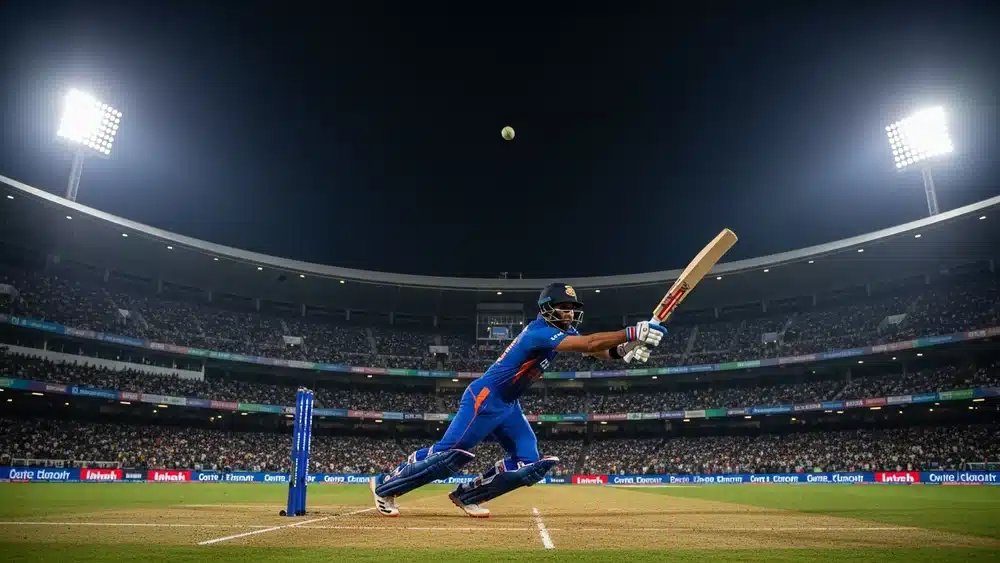
It would have sounded like a misprint a few seasons ago. Through the first 34 matches of IPL 2026, the overall scoring rate is 9.68 runs per over. There have been 27 totals of 200 or more. Punjab Kings chased 265 against Delhi Capitals on Saturday and called it the highest successful T20 chase ever. Vaibhav Sooryavanshi turned a 36-ball 103 into the third-fastest century in tournament history. Sanju Samson has hit two hundreds for CSK before the league phase is half done.
The phrase "highest-scoring season ever" gets thrown around with every record T20 chase, but the IPL 2026 numbers, compiled by ESPNCricinfo through the first 34 games, back it up. The 9.68 RPO is the best for any IPL season at this point in the schedule. The 27 200-plus totals are the fourth-most in any full season already, with 40 league games still to play. The 100-mark has been crossed by the end of the 12th over in 50 of 66 innings, or 75.76%, by far the highest rate after 34 matches in IPL history.
The top three has eaten the middle order
The most striking number sits in a single comparison. Top-order batters at positions one to three are striking at 164.28 across the season. Middle-order batters from four to seven are striking at 145.19. The 19-run gap is the largest the IPL has seen at this stage of any season.
That is partly the Sooryavanshi effect, with the 15-year-old striking at over 220 in his Rajasthan opening slot. It is partly Priyansh Arya at Punjab and Abhishek Sharma at Sunrisers, the two left-handers who lead the powerplay race in their teams. Sharma leads the Orange Cap with 380 runs in eight games at a strike rate of 212. It is also a structural change. Captains have responded to the impact-player rule by stacking openers and number-threes who can target the powerplay, then asking the middle order to consolidate at a more conservative gear. The risk is heaped on the top, the cushion sits behind it.
Sai Sudharsan, the 2025 Orange Cap winner, has 322 runs for Gujarat. Heinrich Klaasen has 349 in the lower-middle order at an average of nearly 50 and a 149.79 strike rate. KL Rahul made 152 not out for Delhi in the same match Punjab chased down 265. None of these are quiet contributions in any normal season. They are not, this year, the centre of the conversation.
Spinners are losing market share
The bowling side of the spreadsheet has flipped to match. Spinners have bowled 32.48% of all deliveries through the first 34 matches. At the same point in 2025 the figure was 41.19%. That is a 21% drop in workload, year on year, and it shows up everywhere from team selection to franchise auction value.
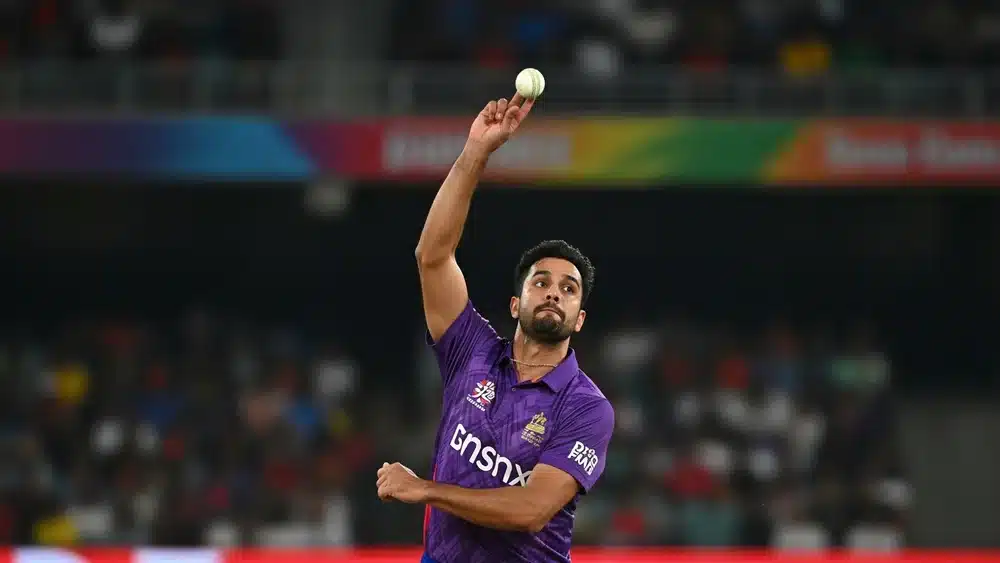
Captains are using more pace, including more uncapped Indian pace. Anshul Kamboj at Chennai has carried the Purple Cap conversation for most of the season at 14 wickets in eight games. Uncapped Indian quicks as a group have taken 80 wickets across the 34 matches, the most they have at this point in any IPL season. Bhuvneshwar Kumar pulled level with Kamboj at 14 wickets after his 3 for 5 in Delhi on Monday, with an economy of 7.61, a kind of Bhuvneshwar number that, in the context of 9.68 runs an over everywhere else, looks like cricket from another sport.
Where this season ends up
Half a season is still to come. There will be cooler nights, dewier outfields in the second innings, slower surfaces if and when the playoffs migrate to a different city. Scoring rates usually correct downward as the schedule stretches into May, especially once teams get a closer look at the same venues for a second time.
The early baseline still matters, though, because of how it is being driven. The defining shots of the year so far are coming from a 15-year-old at Rajasthan and a top three at Sunrisers and Punjab whose default mode is to attack from ball one. They are not playing percentage cricket. They are not waiting until the eighth over to take the field on. The Impact Player rule has opened a route for sides to take risks at the top with a built-in safety net, and it has changed what an opening batter is supposed to do in a T20 game. That part is not going to correct in the back half. The Sooryavanshi generation is the league now.









Cricket Updates