










How freeing Vaibhav Sooryavanshi to open has turned him into the powerplay's most destructive batter
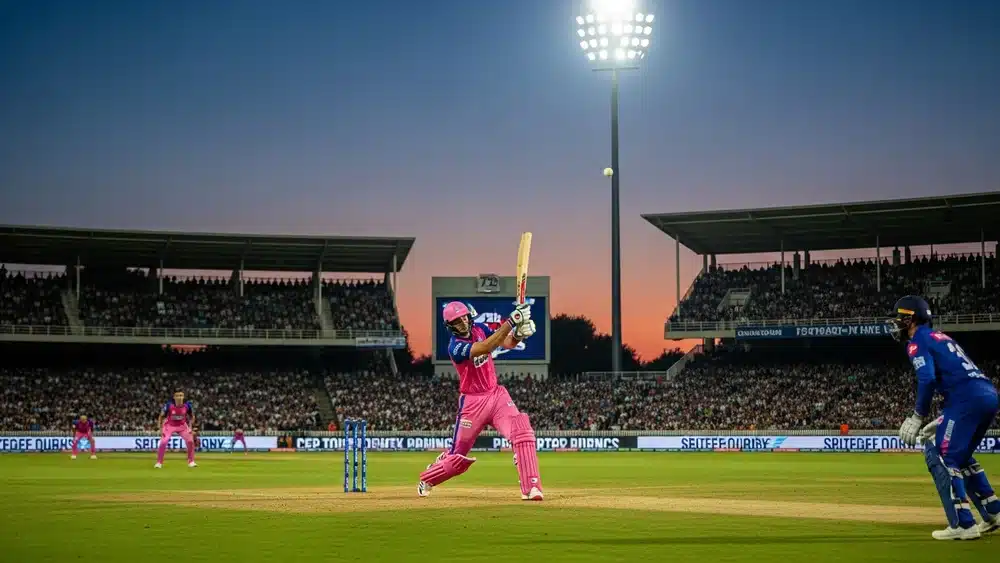
There is a version of this season where Rajasthan Royals stuck with Vaibhav Sooryavanshi as their impact sub, sent him in at No. 5 once the field spread, and hoped a 15-year-old with 30-ball innings in him would finish games for them. They tried that at the start of IPL 2026 and the criticism was instant. Six matches into his run as an opener, the criticism looks like the right call.
The numbers tell the story
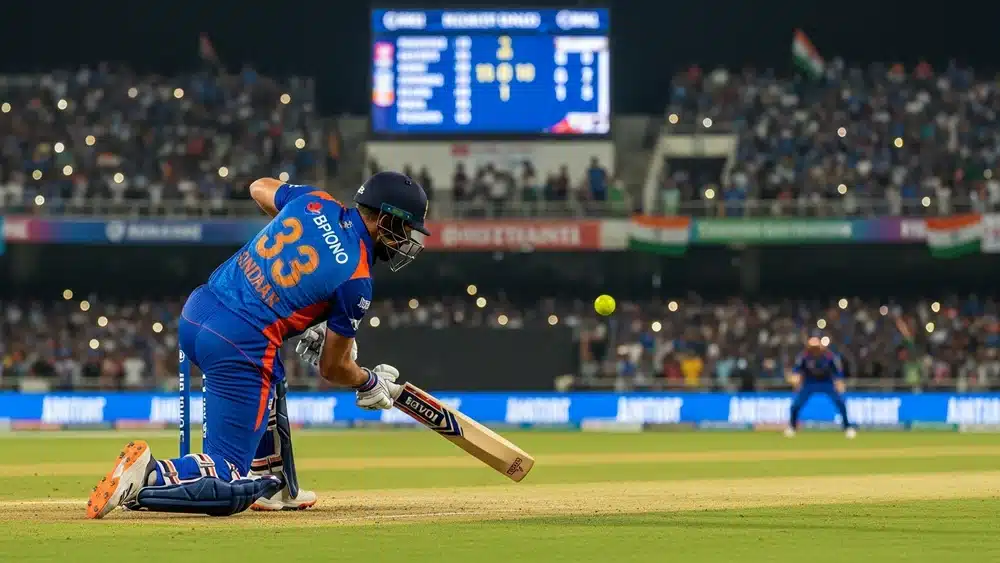
Sooryavanshi has 246 runs in six innings at a strike rate of 236.53, which puts him fourth on the IPL 2026 run-scoring charts and well inside the conversation for the Orange Cap. What really stands out is what he has done in the first six overs. He has 157 of those 246 runs in the powerplay, which works out at a strike rate of around 253 inside the field restriction. No other batter in the competition is hitting the powerplay that hard, and at that rate, with that much of a sample, this is not a hot streak anymore.
The Guwahati game changed the conversation
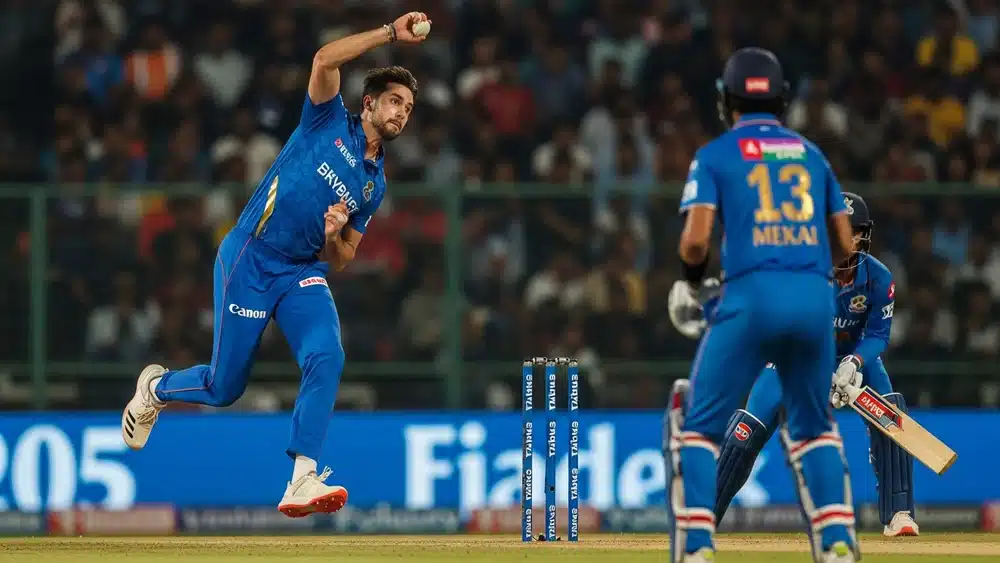
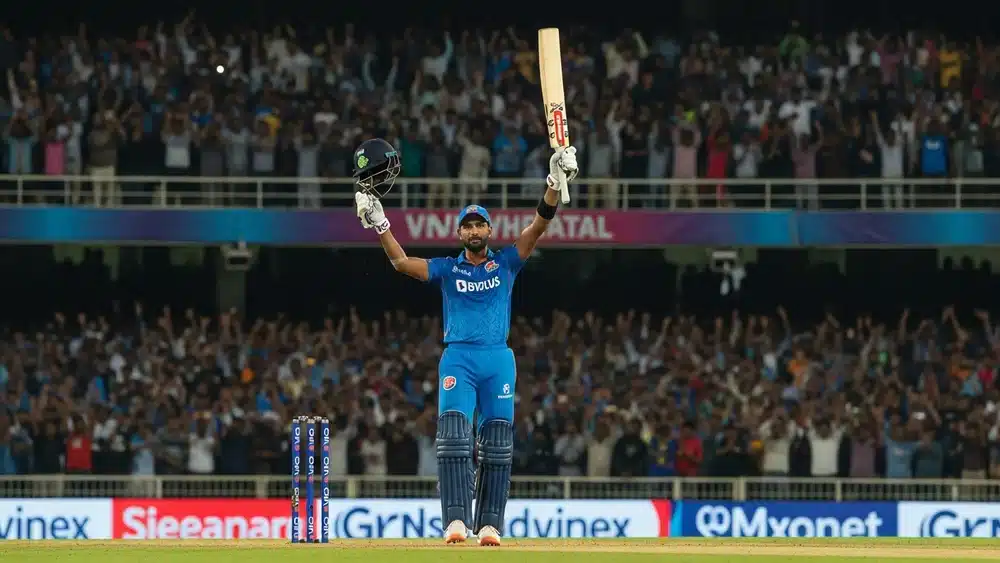
The innings that shifted the tone around Sooryavanshi was the 78 off 26 balls he hit against Royal Challengers Bengaluru at Guwahati, including eight fours and seven sixes and a 15-ball fifty that was the fastest of the season. It was the kind of innings that made his position in the XI non-negotiable, because Rajasthan's powerplay total in that match was the highest any team had posted in IPL 2026. When a 15-year-old is responsible for that, you do not ask him to wait.
What makes him work at the top
Sooryavanshi's numbers at the top are a piece of the puzzle. He is left-handed, which gives Rajasthan a left-left opening pairing alongside Yashasvi Jaiswal. He is fearless against pace, which was obvious when he hit Jasprit Bumrah for six first ball of a match earlier this season. And the bowlers who are meant to dominate the first six, the new ball men who target length and tempo, are the ones he hurts the most. His career split in the IPL, 273 powerplay runs out of 374 total in 13 matches, shows that nearly three-quarters of what he scores comes before the 25-metre circle opens up.
The India question is already being asked
There is a conversation, and it is picking up volume, about whether Sooryavanshi is far enough away from India's T20 squad to be ignored for much longer. Lalit Modi has called him the next face of Indian cricket. Shreyas Iyer, facing him in a PBKS–RR match earlier this season, said he was “one for the future”. National selectors do not usually fast-track teenagers, and there is a real case for letting him grow at the franchise level rather than throwing him into the pressure of a senior tour. But he has beaten the ageing curve on the way in, and the conversation about whether India should be planning around him for the 2028 World Cup cycle is not going to get quieter.
What Rajasthan do next
Rajasthan's bigger problem is that their top order is now heavily reliant on one teenager in form, and IPL form has a way of snapping back. What they have got right is the call to stop treating him like a finisher in short doses and start treating him like a frontline batter. The rest of the tournament will test how long he can keep this going against bowling plans that are starting to adjust. On the evidence of six games, the bowlers should be the ones worrying.
Related Tags:









Cricket Updates