










Bangladesh government orders probe into T20 World Cup boycott as BCB future hangs in balance
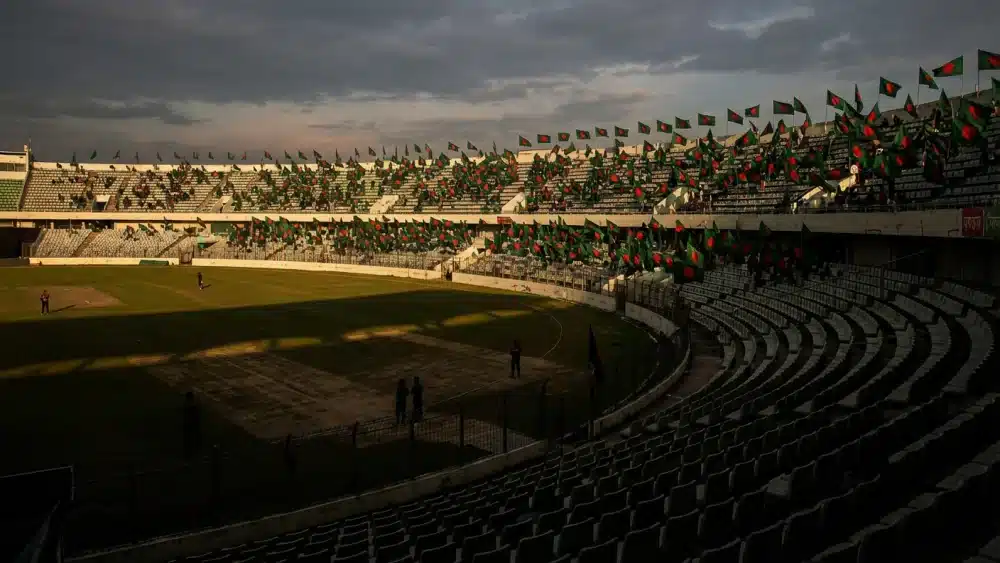
State Minister for Youth and Sports Aminul Haque confirmed on March 18 that a committee will be formed after Eid to examine whether Bangladesh's withdrawal from the T20 World Cup was a "diplomatic failure." The announcement adds another layer of pressure on the Bangladesh Cricket Board, which is already facing a separate government probe into its 2025 elections.
What happened with the boycott
Bangladesh pulled out of the T20 World Cup 2026, which India and Sri Lanka co-hosted, after Kolkata Knight Riders released fast bowler Mustafizur Rahman from their IPL 2026 squad. The BCB cited security concerns about sending their team to India and asked the ICC to shift their matches to Sri Lanka. The ICC turned down the request. Scotland, as the highest-ranked side that had not originally qualified, stepped in as Bangladesh's replacement and were placed in Group C alongside England, Italy, Nepal and the West Indies.
Two investigations running simultaneously
The sports ministry set up a five-member committee on March 11 to look into allegations of malpractice and manipulation during the BCB elections held in 2025. That committee has 15 working days to deliver its findings. Haque has said he plans to consult the ICC once the report lands.
The second investigation, specifically into the World Cup withdrawal, will begin after Eid. Haque wants to establish whether the boycott was driven by genuine security fears or whether the BCB failed to exhaust diplomatic channels before walking away from the tournament.
BCB pushes back
The BCB has not taken these developments quietly. Board officials have warned that direct government intervention in cricket administration could be viewed as interference by the ICC, which has strict rules about political involvement in member boards. If the ICC agrees, Bangladesh could face suspension from international cricket, a prospect that would be far more damaging than missing one tournament.
The situation puts Bangladesh cricket at a crossroads. The government clearly believes accountability is needed for a decision that left the country watching the World Cup from the sidelines. The BCB, however, insists the boycott was a principled stand. Finding common ground between those two positions will not be straightforward.









Cricket Updates