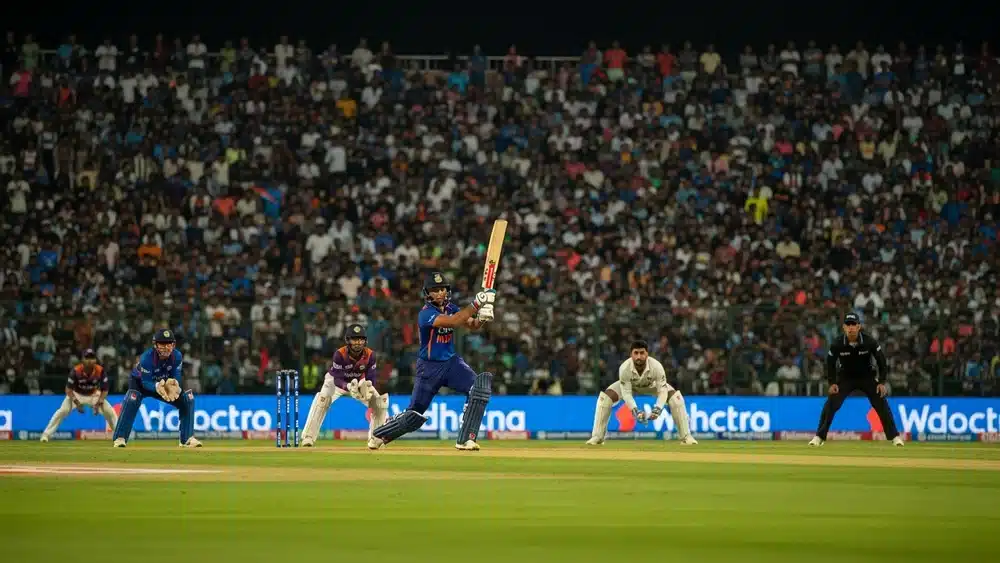











The IPL keeps winning the battle for overseas talent and the PSL cannot close the gap
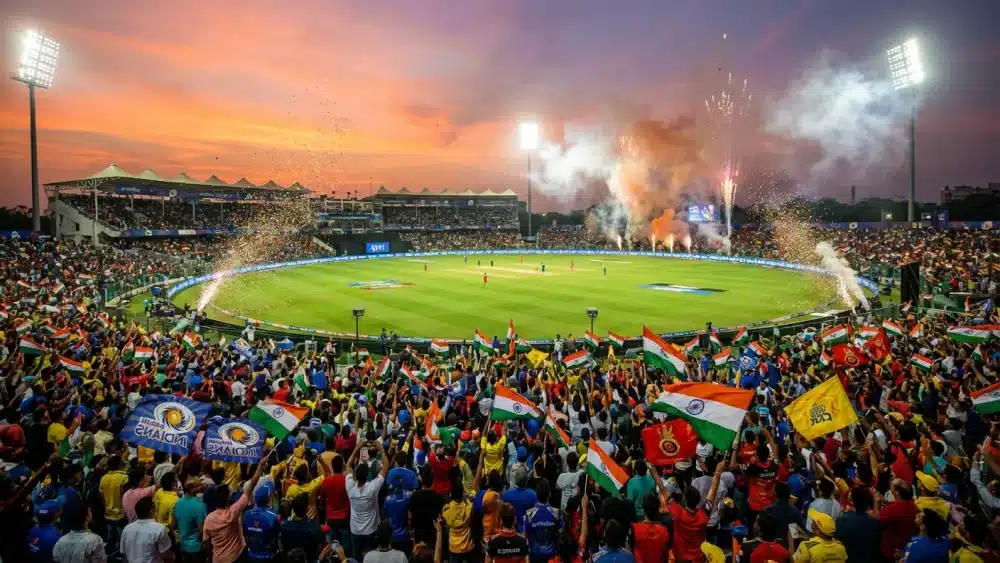
When Blessing Muzarabani walked away from his Islamabad United contract this week to sign with KKR, the reaction from Pakistan was predictable. Outrage. Threats of legal action. Talk of bans. The same script the PCB followed when Corbin Bosch did the exact same thing last year.
And none of it will change a thing.
The numbers tell the story
Muzarabani's PSL deal with Islamabad United was reportedly worth PKR 11 million. His KKR contract, while exact figures have not been disclosed, will be significantly higher. The IPL's salary structure operates in a different financial universe to the PSL, and when both leagues run at the same time, the choice is obvious for any player whose phone rings with an IPL offer.
This is the second straight year that the IPL and PSL calendars have clashed directly. IPL 2026 starts on March 28. PSL 2026 starts on March 26. Players cannot be in two places at once, and when forced to pick, the IPL wins almost every time.
The Bosch precedent did not work
The PCB banned Corbin Bosch from the PSL for a year and hit him with a financial penalty after he left Peshawar Zalmi for Mumbai Indians in 2025. It was supposed to send a message. Twelve months later, Muzarabani made the same calculation and reached the same conclusion: the IPL deal was worth more than whatever the PSL could threaten.
Bans and fines only work as deterrents if the player cares about coming back. For someone like Muzarabani, fresh off 13 wickets at the T20 World Cup and now embedded in the IPL system, a PSL ban is a minor inconvenience rather than a career-altering punishment.
The PSL still has a role
To be fair, the PSL has carved out a niche. Veterans whose IPL stock has fallen, players who want guaranteed game time, and those who value a shorter 45-day season over the IPL's 75-day grind have found the PSL a worthwhile option. Faf du Plessis, Moeen Ali, and Glenn Maxwell have all chosen PSL contracts in recent seasons after opting out of the IPL auction.
But that is a very different proposition from competing head-to-head for in-demand talent at the peak of their careers. The PSL works as a complementary league, not a rival one. The sooner the PCB accepts that positioning, the less energy it will waste on legal battles it is unlikely to win.
Scheduling is the real problem
The root of this conflict sits in the calendar. If the PSL ran in a clear window away from the IPL, much of this tension would disappear. But with both leagues now occupying the March-to-May slot for the second year running, the overlap forces choices that will always favour the wealthier competition.
The PCB expanded to eight franchises for PSL 2026, adding Hyderabad Kingsmen and Rawalpindi Pindiz, and pushed the match count to 44 games across six cities. That is an ambitious product. But ambition without scheduling protection is just planning to lose your best overseas players to the IPL every March.
Muzarabani will not be the last. Until the PSL finds its own window or the ICC steps in to create separation between franchise league calendars, this cycle will repeat. The PCB can threaten all the legal action it wants. The market has already made its decision.
Related Tags:









Cricket Updates